Emergency callouts 0415 397 334
Skip to main content
Category

Uncategorized

Explore additional uncategorized electrical projects by Alby Electrical, showcasing innovative designs and creative solutions.

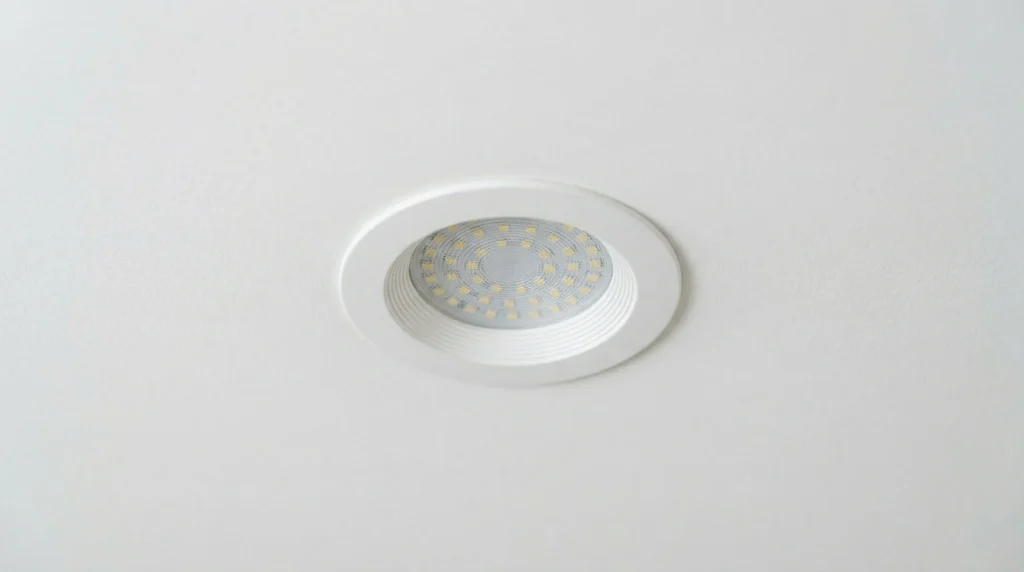
LED downlight installed in a ceiling, highlighting the need for electrician expertise in Perth.

Choosing the Right LED Downlights for Different Rooms

By UncategorizedNo Comments
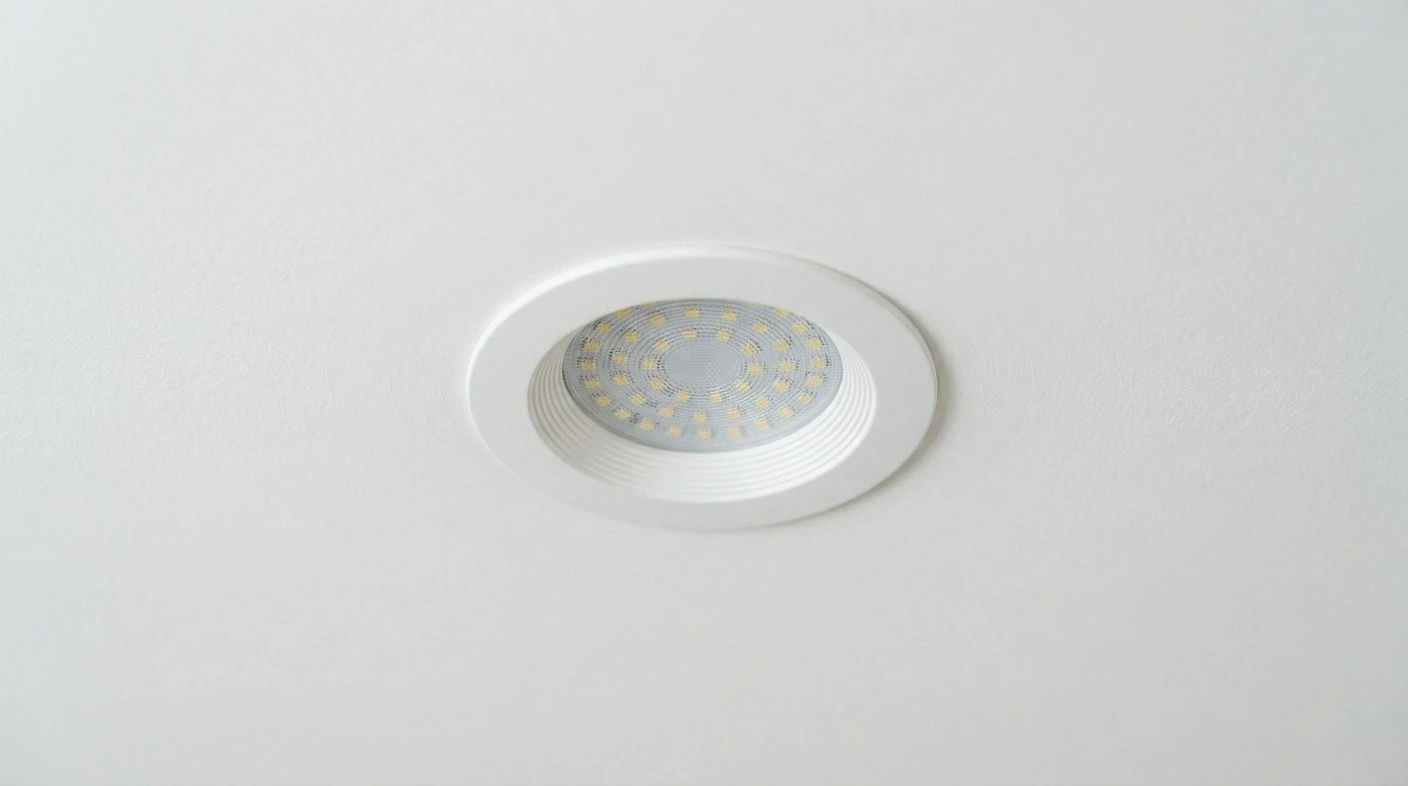
LED downlight installed in a ceiling, highlighting the need for electrician expertise in Perth.

Choosing the Right LED Downlights for Different Rooms

Ever wonder how YouTube influencers have such gorgeous-looking homes? Chances are, it was the lighting. Think about it—the same room can feel cosy, spacious, or even a bit depressing, all because of how it’s lit.

As Perth’s electrical experts, we’ve seen and helped countless homes transform by simply choosing the right LED downlights. But here’s the thing: what works for your kitchen might not work for your bedroom. 

Let’s break down exactly how to choose the perfect lighting for each room in your home.

First Things First: The Basics You Need to Know

Before we discuss room-specific choices, let’s familiarise ourselves with some key terms. Don’t worry—we’ll keep it simple.

Lumens are your new best friend. Forget about watts; when it comes to LED downlights, lumens tell you how bright the light actually is. The more lumens, the brighter the light.

Then, there’s colour temperature, which is measured in Kelvins (K). Here’s a simple way to remember it:

  • 2700k-3000K: Warm and cozy, like a sunset.
  • 4000K: Crisp and clean, like morning light.
  • 5000k-6000K: Bright and energising, like the midday sun.

The Kitchen: Where Good Lighting Really Matters

Have you ever tried to read a recipe under poor lighting? Or couldn’t tell if that chicken was fully cooked? That’s why kitchen lighting needs special attention.

For the kitchen, you want bright, clear light that shows true colours. We typically recommend:

  • Natural white light (4000K).
  • Higher lumens (around 1200-2000 per downlight).
  • Strategically placed lights over workspaces.

Pro tip: Position downlights slightly in front of your countertops rather than directly over them. This prevents your head from blocking the light while you’re wo

Living Room: One Space, Many Moods

Your living room wears many hats. Movie night? Family gathering? Reading corner? Your lighting should adapt to each scenario.

The secret here is layering. Start with:

  • Warm white downlights (2700k-3000K).
  • Medium brightness (800-1200 lumens).
  • Dimmable options for flexibility.

Real talk: We often see people go too bright in living rooms. Remember, you can always dim brighter lights, but you can’t make dim lights brighter.

Bedroom: Creating Your Sanctuary

Nothing throws the shade on your bedroom’s vibe quite like harsh lighting. But go too soft, and you won’t find matching socks in the morning.
The sweet spot for bedrooms is:

  • Warm white (2700K).
  • Lower lumens (400-800).
  • Dimming capability.

Here’s a trick we use in Perth homes: Install separate downlights for your wardrobe area. Your future self will thank you during those early morning rushes.

Modern kitchen featuring bright LED downlights enhancing the space with stylish lighting.

Bathroom: The Truth Teller

If you’ve ever done your makeup in the bathroom only to step outside and see a completely different colour on your face, you know bathroom lighting matters. But it’s not just about the vanity—good bathroom lighting prevents slips, helps with grooming, and makes cleaning easier.

What works best:

Pro tip: Install downlights on either side of your mirror instead of just overhead. This eliminates those unflattering shadows and gives you the most accurate view of your face.

Home Office: Your Productivity Zone

With remote work becoming permanent for many Perth residents, your home office lighting can make or break your workday. Poor lighting leads to headaches, eye strain, and that dreaded 3 PM slump.

The ideal setup includes:

Pro tip: Position your desk and screens to work with your downlights, not against them. Place lights slightly behind and to the sides of your workspace to minimise glare on screens while keeping your video calls well-lit.

Smart Features That Actually Matter

Not all smart features are created equal. Focus on ones that make your life easier and actually add value to your daily routine, not just fancy extras you’ll never use.The game-changers include:

Pro tip: Start with basic smart controls and add features as you need them. Most homeowners find scheduling and dimming functions give them the best return on investment.

Smart Features That Actually Matter

Not all smart features are created equal. Focus on ones that make your life easier and actually add value to your daily routine, not just fancy extras you’ll never use. The game-changers include:

Pro tip: Start with basic smart controls and add features as you need them. Most homeowners find scheduling and dimming functions give them the best return on investment.

The Perth Factor

Our climate brings unique challenges to lighting choices. Perth’s intense sunlight and hot summers mean your downlights need to work harder and smarter.

Essential features for Perth homes:

Pro tip: For rooms with lots of natural light, consider installing dual circuits – one for cloudy days and another for evening use. This way, you’ll never have too much or too little light.

Ready to Transform Your Space?

Choosing the right LED downlights isn’t rocket science, but it can make a massive difference to your home’s comfort and functionality. Whether you’re building, renovating, or upgrading, start by determining how you use each space, then choose lighting that enhances those activities.

Need help figuring out the perfect lighting for your home? We know Perth homes inside and out, and we’re here to help you create spaces that look and feel exactly the way you want them.

ALBY LOGOS DIGI SECONDARY BLUE 1 1024x1024 min

how can we help?

How can we help?

Contact Form
Firefly PowerPoint socket installation on Australian domestic property 70401

How Safety Switches Protect Your Home From Electrical Hazards

By UncategorizedNo Comments
Firefly PowerPoint socket installation on Australian domestic property 70401

How Safety Switches Protect Your Home From Electrical Hazards

Your home’s electrical system powers everything from your morning coffee maker to your children’s nightlights. But with this convenience comes risk  from electrical fires to potential shock hazards. That’s where safety switches come in, providing crucial protection for your family. As Perth’s electrical experts, we’ll explain exactly how these vital devices shield your home from electrical dangers.

Understanding Your Home's Electrical Guardian

Think of a safety switch as your home’s vigilant protector, constantly monitoring the electricity flowing through your circuits. Unlike regular circuit breakers that only protect against power surges, safety switches are specifically designed to protect human life by detecting even minimal electrical leakages that could cause harm.

The most impressive feature of a safety switch is its lightning-fast response time. When it detects a problem, it cuts power in just 30 milliseconds – far faster than an electrical accident that can turn fatal. This rapid response is particularly crucial in Perth homes, where our unique climate conditions can create additional electrical risks.

How Your Safety Switch Protects You

Your safety switch operates through a sophisticated monitoring system:

This constant monitoring means you’re protected 24/7 from potential electrical hazards, whether you’re awake or asleep. Modern safety switches can even communicate with home automation systems to provide real-time alerts and monitoring data.

Three Key Ways Safety Switches Keep You Safe

1. Protection Against Electric Shock

Safety switches react instantly when they detect current leaking to earth through a person or appliance, cutting power before it can cause serious harm. This protection extends to both direct contact with electrical sources and indirect contact through faulty equipment.

2. Fire Prevention

By identifying faulty wiring and dangerous current leaks, safety switches help prevent electrical fires before they can start. This is especially crucial in Perth’s older homes, where wiring may be showing signs of wear. During our hot summers, this protection becomes even more vital as electrical systems face additional stress.

3. Appliance Protection

Your expensive household appliances get an extra layer of protection. Safety switches can detect when an appliance starts malfunctioning, potentially saving you from costly repairs or replacements. They’re particularly effective at identifying gradual deterioration before it becomes dangerous.

Real-Life Protection Scenarios

Consider these common situations where safety switches prove their worth:

The Weekend DIYer:

You're drilling into a wall and accidentally hit a concealed wire. Your safety switch trips instantly, protecting you from electrocution. This scenario is particularly common during home renovations and DIY projects.

The Rainy Day:

Water seeps into an outdoor power point during a Perth winter storm. Your safety switch detects the hazard and cuts power before anyone can come into contact with it. This protection is crucial during our intense winter rainfall.

The Kitchen Incident:

A faulty appliance develops an earth leak. Your safety switch identifies the problem and disconnects power before the situation becomes dangerous. This early detection can prevent both injury and appliance damage.

The Pool Area:

Safety switches provide an essential layer of protection for your family and guests around swimming pools and outdoor entertainment areas, where water and electricity can create hazardous conditions.

Team from Alby Electrical & Air ready to assist with electrical services in Perth.

Seasonal Considerations for Safety

Perth’s climate presents unique challenges for electrical safety:

Summer:

Winter:

Smart Integration and Modern Protection

Today’s safety switches can integrate with smart home systems to provide:

Maintaining Your Safety Switch Protection

Regular testing is crucial for ensuring your safety switches continue to protect your home effectively. Here’s what you need to do:

Warning Signs That Need Attention

Legal Requirements in Perth

Taking Action for Your Family's Safety

Don’t wait for an accident to think about electrical protection. If you notice any warning signs or it’s been over a year since your last inspection, it’s time to act. 

As your local Perth electrical experts, we can:

Remember, electrical safety isn’t something to gamble with. Whether you need a routine check, a new installation, or advice about your existing safety switches, we’re here to help ensure your home has the protection it needs.

For expert safety switch installation and testing across Perth, reach out to our team. Your family’s safety is our priority.

ALBY LOGOS DIGI SECONDARY BLUE 1 1024x1024 min

how can we help?

How can we help?

Contact Form
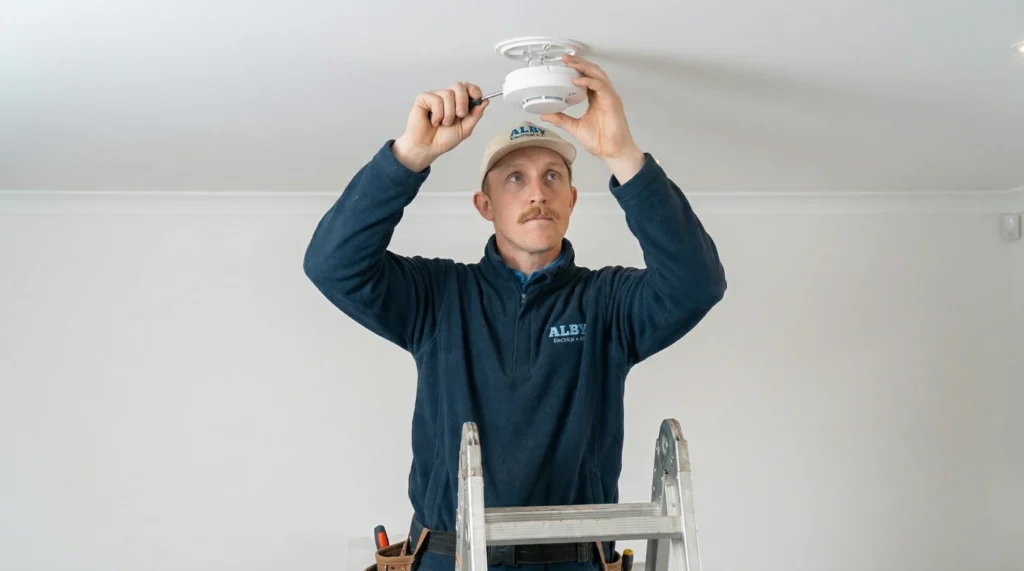
Electrician installing a smoke alarm, highlighting safety standards in Perth.

Smoke Alarm Safety Standards and Laws in Perth: What You Need to Know

By UncategorizedNo Comments
Electrician installing a smoke alarm, highlighting safety standards in Perth.

Smoke Alarm Safety Standards and Laws in Perth: What You Need to Know

Smoke alarms provide early warnings of potential fire hazards, giving you and your family enough time to evacuate. We cannot stress enough the importance of these safety devices.

If you live in Perth, it is important to ensure your home complies with smoke alarm regulations for your safety. To do so, you must meet legal requirements.

Don’t worry if you are unsure about the safety standards and laws in Perth; we are discussing tips and information that would help every homeowner.

Why are Smoke Alarms Necessary?

House fires often happen without warning, and if the residents are asleep or unaware, they can lead to serious consequences, including death.

Smoke alarms come in handy, as they detect smoke and alert occupants before the fire and smoke can become life-threatening. They are the proven life-savers that help reduce fire-related injuries and fatalities.

Smoke Alarm Laws in Perth

In Western Australia, specific regulations govern the installation and maintenance of smoke alarms to ensure the safety of residential properties.

Compulsory Installation: Since October 1, 2009, it has been mandatory for all new homes, rental properties, and homes that are being sold to have working smoke alarms. The law applies to both private residences and residential rental properties.

Mains-Powered Alarms: Smoke alarms in Perth must be hard-wired to the mains power supply, with a battery backup. This ensures that they remain operational even during power outages. Battery-only-powered smoke alarms are not considered compliant unless the home was constructed before 1997 and has not undergone significant renovations.

Location Requirements: Smoke alarms must be installed on each level of the house, outside sleeping areas, and inside any rooms that may house vulnerable individuals, such as older people or children.

Types of Smoke Alarms

There are two main types of smoke alarms: ionisation and photoelectric.

Ionisation Alarms are better at detecting fast-flaming fires, which spread rapidly, while Photoelectric Alarms are more effective at detecting slow-smouldering fires, which are typically the most common in homes.

Western Australian laws recommend the installation of photoelectric smoke alarms due to their effectiveness in detecting smouldering fires.

Compliance for Landlords and Home Sellers

If you are renting out or selling a property in Perth, it is important to comply with smoke alarm regulations before any tenancy agreement is signed or the property is sold. Non-compliance can result in fines and legal ramifications.

For Landlords: If you are a landlord, you must ensure that all smoke alarms are functioning before new tenants move in. You are also responsible for regular maintenance and battery replacement when necessary.

For Sellers: If you are a homeowner selling your property, it is essential to ensure that compliant smoke alarms are installed. If renovations exceeding $20,000 have been carried out, smoke alarms must be upgraded to meet current standards.

Maintaining Your Smoke Alarms

Want to know how to maintain smoke alarms on a regular basis?
Here are some tips:

  • Test Alarms Monthly: Press the test button to ensure the alarm is functioning correctly.
  • Clean Annually: Use a vacuum cleaner to remove any dust or debris that could impair the alarm’s function.
  • Replace Batteries Annually: Even if your smoke alarm is hard-wired, consider replacing the backup battery once a year or when the low-battery alert sounds.
  • Replace Units Every 10 Years: Smoke alarms have a limited lifespan and should be replaced every decade to ensure continued effectiveness.

Penalties for Non-Compliance

Did you know that failing to comply with smoke alarm regulations in Perth can result in severe penalties?

Landlords and sellers can face fines of up to $5,000 for each instance of non-compliance. Moreover, if a fire occurs in a non-compliant home, the owner may be held legally accountable for any damage or injuries caused.

Ionisation Smoke Alarms

New Technologies in Smoke Alarms

With rapidly progressing technology, modern smoke alarms have started to include advanced features that enhance safety.

Interconnected Systems: When one alarm is triggered, all alarms in the house go off, ensuring that everyone is alerted.
Smart Alarms: Some alarms can be linked to your phone, sending alerts even when you are not home.
Combination Alarms: Devices that combine smoke and carbon monoxide detection provide added protection from multiple hazards.

8. The Dust Bowl: Declining Air Quality

Your AC plays a crucial role in filtering your home’s air. If you notice a decline in air quality, it could indicate your system isn’t performing this function effectively. Signs to watch for include:

– Increased dust accumulation in your home, even with regular cleaning
– More frequent allergy symptoms or respiratory issues when indoors
– Visible dirt or debris around air vents

These issues often stem from:

– Clogged or inefficient filters: Air filters should be changed regularly to effectively trap particles.
– Dirty ductwork: Over time, ducts can accumulate dust, pollen, and other contaminants, which then circulate through your home.
– Malfunctioning air purification components: If your system includes additional air purification features, these may not be working correctly.

Pro Tip: Regular maintenance, including filter changes, duct cleaning, and inspections of air purification components, can significantly improve your indoor air quality. This not only makes your home more comfortable but can also contribute to better health for you and your family.

Why Professional Installation Matters

While it may seem tempting to install smoke alarms yourself, professional electricians ensure that alarms are installed in the optimal locations and wired correctly. 

At Alby Electrical, we offer expert installation services to help keep your home compliant and safe. We understand the importance of ensuring that your property is compliant with local regulations–to not only protect your family but also avoid legal consequences.

If you need advice or assistance with smoke alarm installation or maintenance, contact us at Alby Electrical today for professional service and peace of mind.

Need Help with Smoke Alarm Installation?

Reach out to Alby Electrical, your trusted local electrician, for expert advice and professional service. Our team brings unmatched expertise to every project.

Alby Electrical & Air team posing with service van, offering electrical services in Perth.
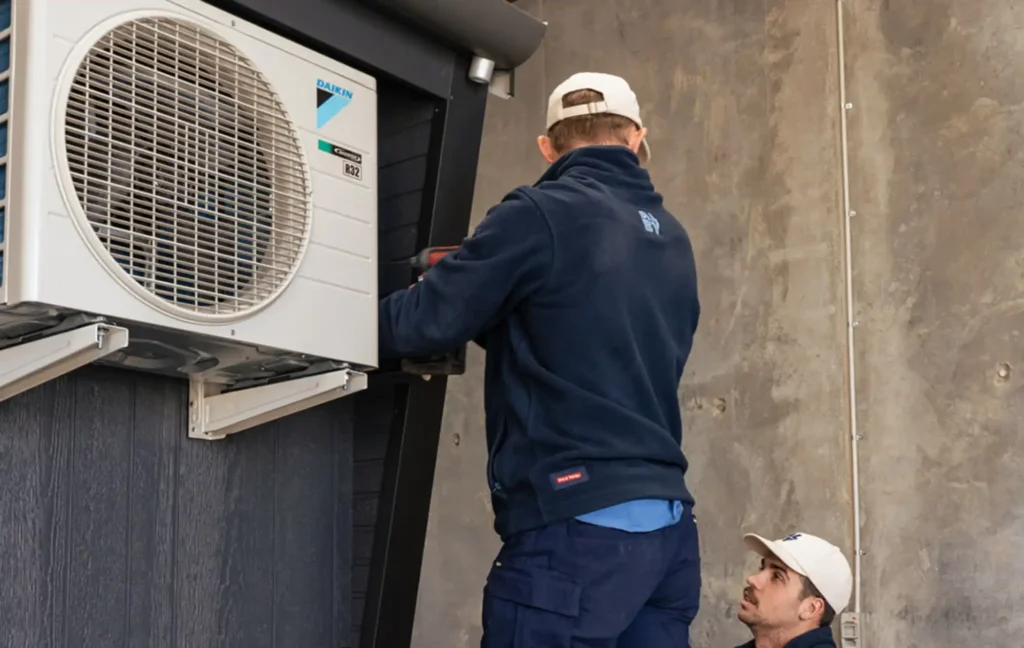
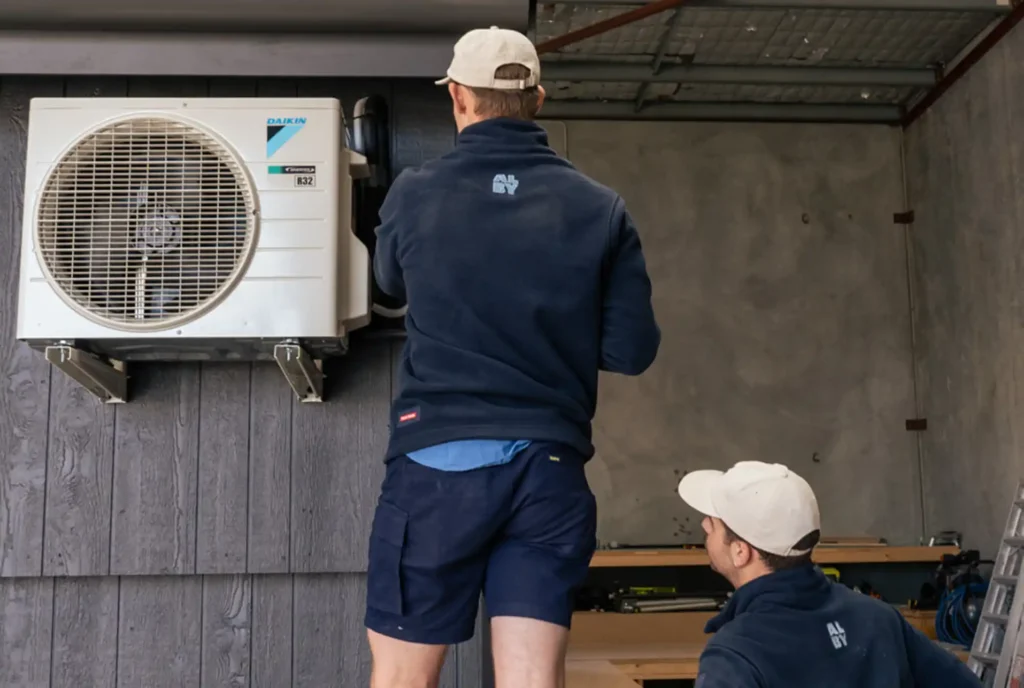
Technicians servicing an air conditioning unit, highlighting benefits of regular air conditioning servicing in Perth.

The Benefits of Regular Air Conditioning Servicing in Perth

By UncategorizedNo Comments
Technicians servicing an air conditioning unit, highlighting benefits of regular air conditioning servicing in Perth.

The Benefits of Regular Air Conditioning Servicing in Perth

You’d be hard-pressed to find a home or business in Perth without an air conditioner these days. In our sun-drenched city, where summer temperatures regularly climb above 35°C, we all cherish our cool, comfortable spaces away from the unrelenting heat.

There’s nothing worse than an air conditioning breakdown, and it always seems to happen on the hottest day of the year. Or when you’ve got the whole family over for Christmas lunch. That’s just how it goes, isn’t it?

But, having an AC service technician come out for some regular maintenance at the start of summer can save you from that uncomfortable situation.

Here are ten reasons why taking advantage of this kind of service will make a big difference in your Perth home.

Energy Efficiency: Comprehensive Benefits

While lower energy bills are an obvious advantage of regular AC servicing, the benefits extend further. During Perth’s intense summer months, an efficient system offers:

– Reliable cooling, particularly during heatwaves
– Reduced pressure on the electrical grid at peak times
– Minimized risk of power fluctuations in older areas

Our technicians prioritise cleaning condenser coils, optimising refrigerant levels, and ensuring proper airflow—all essential for maintaining peak efficiency in Perth’s challenging conditions.

Air Quality: Addressing Perth's Specific Challenges

Perth’s air quality faces unique issues, ranging from seasonal bushfire smoke to coastal salt air. A well-maintained AC system serves as a crucial filter for these particulates. Regular servicing ensures:

– Optimal performance of filtration systems
– Prevention of mould and bacteria growth during humid periods
– Effective management of fine dust accumulation common in our region

Many Perth residents underestimate local environmental impacts on indoor air quality. Consistent maintenance is essential for your AC to function effectively as an air purifier.

System Longevity: Coping with Perth's Climate Extremes

Air conditioners in Perth encounter specific challenges:

– Excessive summer heat strains compressors
– Coastal air accelerates corrosion
– Sudden temperature shifts during Fremantle Doctor events test system adaptability

Our maintenance protocols specifically address these local factors. We focus on safeguarding vulnerable components, ensuring adequate insulation, and optimising system performance for Perth’s distinct climate patterns.

Reliability: Crucial Performance

In Perth, AC malfunction poses serious risks during severe heat events. Regular servicing:

– Proactively identifies potential failures
– Prepares your system for extended operation during heatwaves
– Optimizes performance for Perth’s dry heat conditions

Our data indicates that regularly serviced systems are significantly less prone to failure during peak summer periods compared to neglected units.

Cost Management: Comprehensive Financial Benefits

Beyond energy efficiency, regular servicing provides additional financial advantages:

– Reduces the likelihood of costly emergency repairs, common during Perth’s initial heatwaves
– Prolongs system lifespan, delaying expensive replacements
– Maintains manufacturer warranty validity, which is critical for newer systems

Analysis shows that Perth property owners investing in regular servicing typically achieve substantial savings on AC-related expenses over time.

Environmental Responsibility: Perth-Specific Considerations

In our water-scarce region, AC efficiency transcends electricity consumption. Well-maintained systems contribute to:

– Reduced water usage in evaporative cooling processes
– Decreased demand on peak-load power plants during summer
– Minimal release of harmful refrigerants

As Perth progresses towards sustainability, ensuring optimal AC efficiency forms part of responsible environmental stewardship.

Comfort Optimization: Customized for Perth Homes

Perth’s diverse residential architecture presents unique cooling challenges, from poorly insulated older homes to modern designs with extensive glazing. Regular servicing allows for:

– System fine-tuning based on specific home layouts
– Adjustments for seasonal variations in sun exposure and heat gain
– Optimization of zoning systems for efficient room-by-room cooling

This tailored approach ensures your AC delivers optimal comfort for your specific living space.

Noise Reduction: Enhancing Home Tranquility

Regular AC servicing significantly impacts noise levels, an often overlooked aspect of system performance. In Perth’s outdoor-centric lifestyle, a quiet AC contributes to a more pleasant home environment.

– Lubrication of moving parts reduces operational noise
– Tightening of loose components eliminates rattling and vibrations
– Addressing airflow issues minimises whistling or rushing sounds

Our technicians use advanced diagnostic tools to identify and resolve noise sources, ensuring your AC operates unobtrusively. This is particularly beneficial during Perth’s warm evenings when open windows are common.

9. The Humidity Horror: When Your AC Fails as a Dehumidifier

While Perth’s climate is generally dry, your AC should still effectively manage indoor humidity levels. If you notice any of the following, your system might be struggling with humidity control:

– Excessive humidity inside despite AC operation
– Condensation on windows or water stains on walls
– Signs of mould growth, especially in typically damp areas

Proper humidity control is essential not just for comfort but also for preventing property damage and maintaining good indoor air quality. Issues with humidity management could indicate:

– An oversized AC unit that cools too quickly without adequately removing humidity
– A malfunctioning dehumidification system
– Ductwork issues that allow humid air to enter the system

Addressing these humidity issues can significantly improve your comfort and protect your home from moisture-related damage.

Professional technician installing air conditioning system for Perth’s hot summers.

Smart Technology Integration: Maximizing Modern Systems

As smart home technology becomes increasingly prevalent in Perth, regular AC servicing ensures optimal integration and performance of these advanced systems.

– Calibration of smart thermostats for accurate temperature control
– Optimization of zoning systems for efficient room-by-room cooling
– Ensuring compatibility with home automation systems for seamless operation

Regular maintenance maximises the benefits of smart AC features, leading to improved energy management and customised comfort in Perth homes.

Humidity Control: Balancing Perth's Varying Moisture Levels

While Perth generally experiences a dry climate, periods of humidity can occur, particularly in coastal areas. Proper AC servicing plays a crucial role in managing indoor humidity levels.

– Cleaning and adjusting condensate drains to prevent water buildup
– Optimizing evaporator coil function for effective moisture removal
– Calibrating humidity sensors in advanced systems for precise control

Effective humidity management not only enhances comfort but also prevents issues like mould growth and wood warping, which is particularly relevant in Perth’s older homes or those near the coast.

A Strategic Investment for Perth Residents

Regular air conditioning servicing represents a critical investment in comfort, health, and financial prudence. Perth’s demanding climate necessitates reliable, efficient, and effective cooling systems.

At Alby Electrical & Air, we advocate for annual comprehensive servicing, preferably before the onset of summer. This proactive strategy not only prepares your system for peak demand but also assures that your AC can manage Perth’s summer challenges effectively.

We encourage you to prioritise your AC’s maintenance before the heat intensifies. Contact Alby Electrical & Air to schedule a service and experience the substantial benefits of professional, Perth-specific maintenance for your home cooling system.

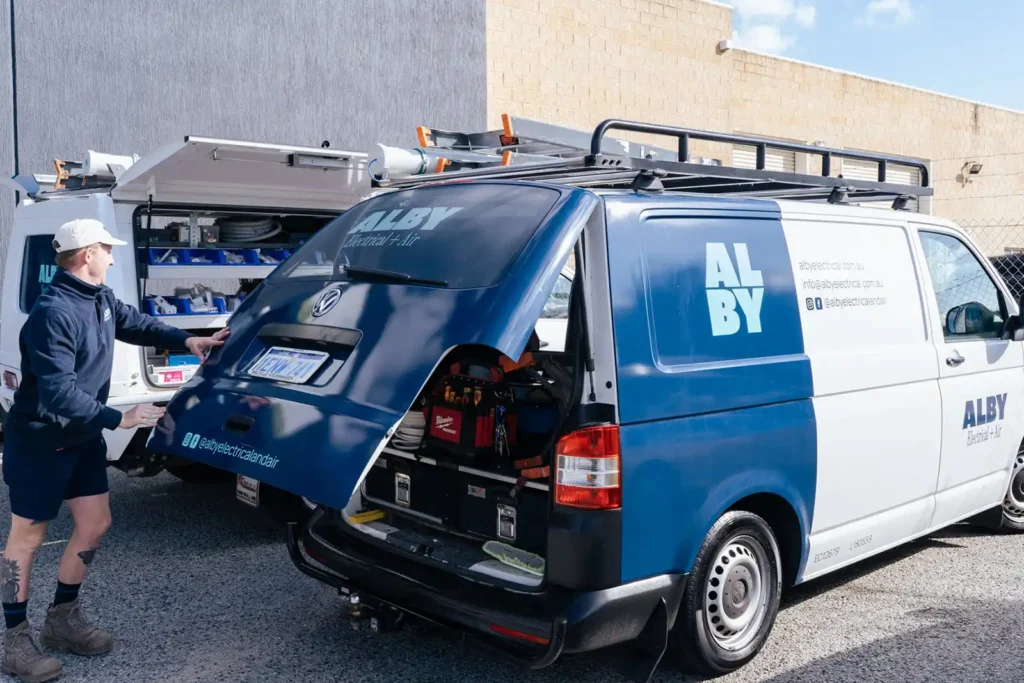
Alby Electrical & Air service van ready for electrical and air conditioning servicing in Perth.
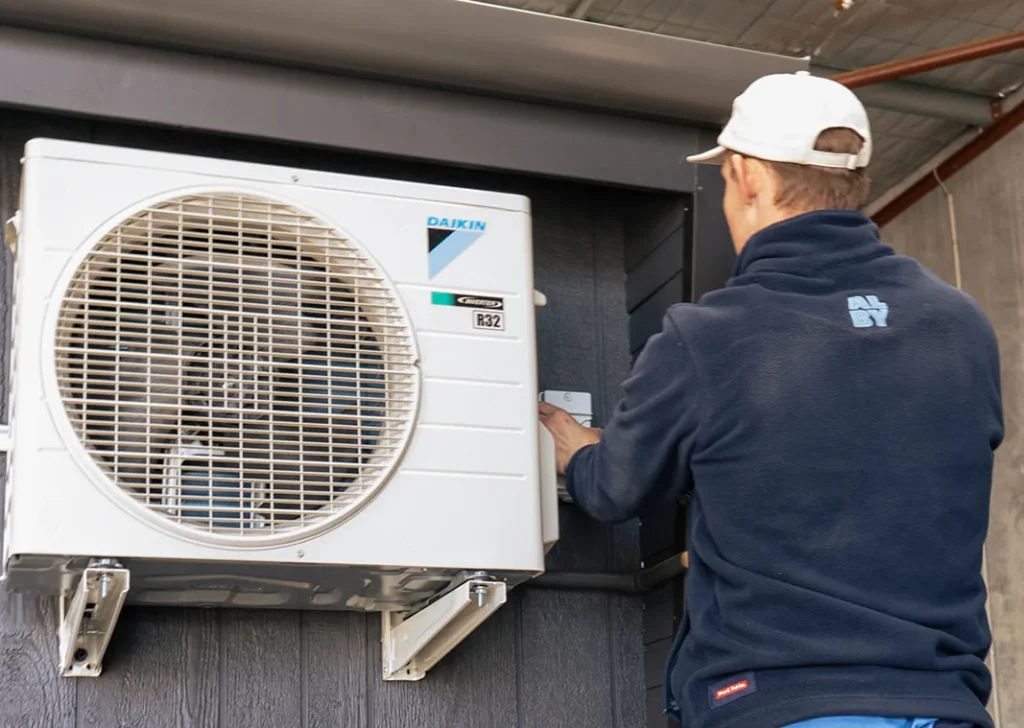
Technicians performing maintenance on an air conditioner in Perth, highlighting signs of needed service.

Top Signs Your Air Conditioner Needs Maintenance

By Uncategorized
Technicians performing maintenance on an air conditioner in Perth, highlighting signs of needed service.

Top Signs Your Air Conditioner Needs Maintenance

As the Perth summer heat intensifies, your air conditioner becomes your best friend. But like any good friendship, it requires care and attention.

At Alby Electrical & Air, we’ve made plenty of house calls in the sweltering heat to fix broken Aircon units. We don’t mind it, but if you’d called us earlier, you wouldn’t have to suffer.

Of course, it’s difficult to predict when your air conditioner might break down, but there are more often than not signs. We’re here to help you spot the signs that your cooling companion might need some TLC.

And here are the top signs that your air conditioner is crying out for maintenance.

1. Your AC Has Become a Noisemaker

A properly functioning air conditioner should operate with a low, consistent hum. If your AC starts making unusual noises, it’s time to pay attention. Here’s what different sounds might indicate:

– Banging or clanking: These sounds often signal a loose or disconnected part within the system. It could be something as minor as a loose screw or as serious as a damaged compressor.

– Whistling or hissing: These high-pitched sounds typically suggest a refrigerant leak. Not only does this reduce your AC’s efficiency, but it can also harm the environment and potentially your health.

Grinding or squealing: These unsettling noises often indicate issues with motor bearings or belt alignment. Ignoring them could lead to complete motor failure.

Pro Tip: Don’t wait for these noises to escalate. Early detection and repair can prevent more extensive damage and save you from costly repairs down the line.

2. Weak Airflow: When Your AC Whispers Instead of Roars

If you’ve noticed a decrease in airflow from your vents, your AC might be struggling to distribute cool air effectively. Here are some signs to watch out for:

– Uneven cooling between rooms
– Noticeably weak air coming from vents
– The need to lower the thermostat setting more than usual

Several factors can contribute to weak airflow:

Clogged air filters: Depending on usage and environmental factors, these should be changed every 1-3 months.
– Blocked or leaky ductwork: Over time, ducts can accumulate dust and debris or develop leaks, reducing airflow efficiency.
– Failing blower motor: This critical component might be struggling to push air through your system.

Regular maintenance, including filter changes and duct inspections, can prevent most airflow issues and ensure your system operates at peak efficiency.

3. Temperature Inconsistencies: The AC Rollercoaster

Your air conditioner should maintain a consistent, comfortable temperature throughout your home. If you’re experiencing temperature fluctuations, it’s a sign that something’s amiss. Be on the lookout for:

– Frequent system cycling (turning on and off more often than usual)
– Difficulty reaching or maintaining the set temperature
– Noticeable temperature differences between rooms

These temperature inconsistencies often stem from the following:

– Thermostat problems: An improperly calibrated or malfunctioning thermostat can’t accurately control your AC.
– Low refrigerant levels: This forces your system to work harder to cool your home, often resulting in inconsistent temperatures.
– Compressor issues: The heart of your AC might be failing to distribute coolant effectively.

Addressing these temperature inconsistencies not only improves your comfort but can also prevent unnecessary wear on your system and reduce energy waste.

4. Water, Water Everywhere: Dealing with AC Leaks

While some condensation is normal for air conditioners, visible water around your unit is a cause for concern. Here’s what might be happening:

– Clogged drain lines: Over time, the condensate drain line can become blocked with algae, mould, or debris. This blockage causes water to back up and overflow.

– Frozen evaporator coils: When airflow is restricted or refrigerant levels are low, the evaporator coils can freeze. As they thaw, excess water can overflow the drain pan.

– Refrigerant leaks: Sometimes, what appears to be a water leak is actually a refrigerant leak. This is a serious issue that requires immediate professional attention.

– Cracked drain pan: Age, corrosion, or improper installation can cause the drain pan to crack, allowing water to escape.

Quick attention to water leaks is a must. Not only can they cause structural damage to your home, but they can also create an environment conducive to mould growth, potentially affecting your indoor air quality and health.

Professional technician installing air conditioning system for Perth’s hot summers.

5. The Energy Bill Spike: When Your AC Develops an Appetite for Electricity

A sudden increase in your energy bills, particularly during peak cooling seasons, may indicate your AC is working inefficiently. This increased energy consumption can result from several factors:

– Dirty filters and coils: When these components are clogged with dirt and debris, your system has to work harder to move air and transfer heat.

– Low refrigerant levels: If your system is low on refrigerant, it has to run longer and work harder to achieve the desired cooling effect.

– Aging equipment: As AC units age, they naturally become less efficient. Parts wear out, seals degrade, and the overall performance declines.

– Duct leaks: If your cooled air is escaping through leaks in the ductwork, your system will run longer to compensate.

Pro Tip: Regular maintenance, including cleaning or replacing filters and checking refrigerant levels, can help keep your system running efficiently. In some cases, if your system is old or consistently inefficient, upgrading to a newer, more energy-efficient model might be the most cost-effective solution in the long run.

6. Something Smells Off: Unusual Odors from Your AC

Your air conditioner should provide clean, fresh-smelling air. If you notice unusual odours when your AC is running, it’s worth investigating. Different smells can indicate various issues:

– Musty odours: This often suggests mould or mildew growth within the system, typically in the evaporator coils or ductwork. Besides being unpleasant, this can negatively impact your indoor air quality.

– Burning smells: A burning odour could indicate an electrical problem, such as an overheating motor or wiring issues. This requires immediate attention as it could pose a fire risk.

– Chemical scents: A sweet, chemical smell might suggest a refrigerant leak. This not only impacts your AC’s performance but can also be harmful to your health and the environment.

Addressing these odour issues promptly can improve your home’s air quality and prevent more serious problems from developing.

7. The Age Factor: When Your AC Reaches Retirement Age

Air conditioners typically last 10-15 years with proper maintenance. If your system is within this age range and experiencing frequent issues, it might be time to consider replacement. Here’s what to consider:

– Frequency of repairs: If you’re calling for repairs more than once or twice a season, the costs can quickly add up.

– Rising energy costs: Older systems are generally less efficient, even when well-maintained.

– Improvements in newer models: AC technology has advanced significantly in recent years. Newer models offer better energy efficiency, improved humidity control, and even smart home integration features.

While the upfront cost of a new system can be significant, it often pays off in terms of improved efficiency, reliability, and comfort. We can help you assess whether continued repairs or system replacement is more cost-effective for your situation.

8. The Dust Bowl: Declining Air Quality

Your AC plays a crucial role in filtering your home’s air. If you notice a decline in air quality, it could indicate your system isn’t performing this function effectively. Signs to watch for include:

– Increased dust accumulation in your home, even with regular cleaning
– More frequent allergy symptoms or respiratory issues when indoors
– Visible dirt or debris around air vents

These issues often stem from:

– Clogged or inefficient filters: Air filters should be changed regularly to effectively trap particles.
– Dirty ductwork: Over time, ducts can accumulate dust, pollen, and other contaminants, which then circulate through your home.
– Malfunctioning air purification components: If your system includes additional air purification features, these may not be working correctly.

Pro Tip: Regular maintenance, including filter changes, duct cleaning, and inspections of air purification components, can significantly improve your indoor air quality. This not only makes your home more comfortable but can also contribute to better health for you and your family.

9. The Humidity Horror: When Your AC Fails as a Dehumidifier

While Perth’s climate is generally dry, your AC should still effectively manage indoor humidity levels. If you notice any of the following, your system might be struggling with humidity control:

– Excessive humidity inside despite AC operation
– Condensation on windows or water stains on walls
– Signs of mould growth, especially in typically damp areas

Proper humidity control is essential not just for comfort but also for preventing property damage and maintaining good indoor air quality. Issues with humidity management could indicate:

– An oversized AC unit that cools too quickly without adequately removing humidity
– A malfunctioning dehumidification system
– Ductwork issues that allow humid air to enter the system

Addressing these humidity issues can significantly improve your comfort and protect your home from moisture-related damage.

10. The Repair Merry-Go-Round: Frequent Breakdowns

If you find yourself scheduling AC repairs more often than usual, it may indicate underlying systemic issues. Frequent breakdowns can be a sign that your system is nearing the end of its lifespan or has fundamental problems that minor repairs can’t fully address.

Consider the following:

– The frequency and cost of repairs: If you’re repairing your AC multiple times per season, or if a single repair costs more than 50% of a new unit, replacement might be more economical.
– The age of your system: Frequent repairs on an older system often indicate it’s time for an upgrade.
Energy efficiency: Older systems that require frequent repairs are often less energy-efficient, which means higher monthly bills.

At Alby Electrical & Air, we focus on providing comprehensive, long-term solutions rather than temporary fixes. Our experienced technicians can help you determine whether continued repairs or system replacement is the most cost-effective approach for your situation.

Maintaining Your AC with Alby Electrical & Air

Regular maintenance keeps your air conditioner running smoothly through Perth’s warm seasons. By staying attentive to these signs and scheduling routine check-ups, you can:

– Extend your AC’s lifespan
– Improve energy efficiency
– Maintain high indoor air quality
– Avoid unexpected breakdowns

Our skilled technicians at Alby Electrical & Air are equipped to handle all aspects of AC maintenance, from routine inspections to complex repairs and system upgrades.

If you’ve noticed any of these signs or it’s been a while since your last maintenance check, consider scheduling a service appointment. Let us help you maintain a cool, comfortable home environment throughout the year.

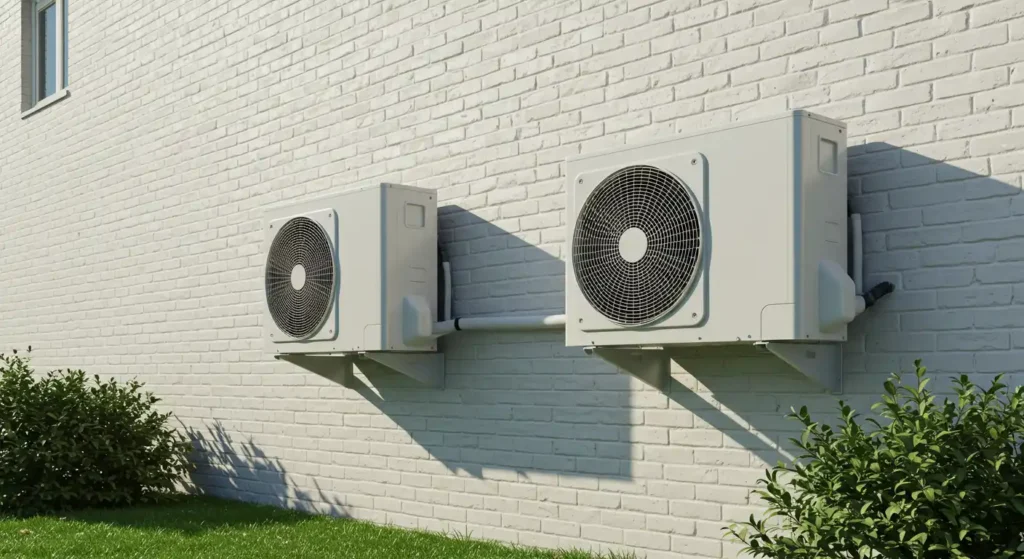
Reverse cycle split system air conditioners installed on an Inglewood home's exterior wall.
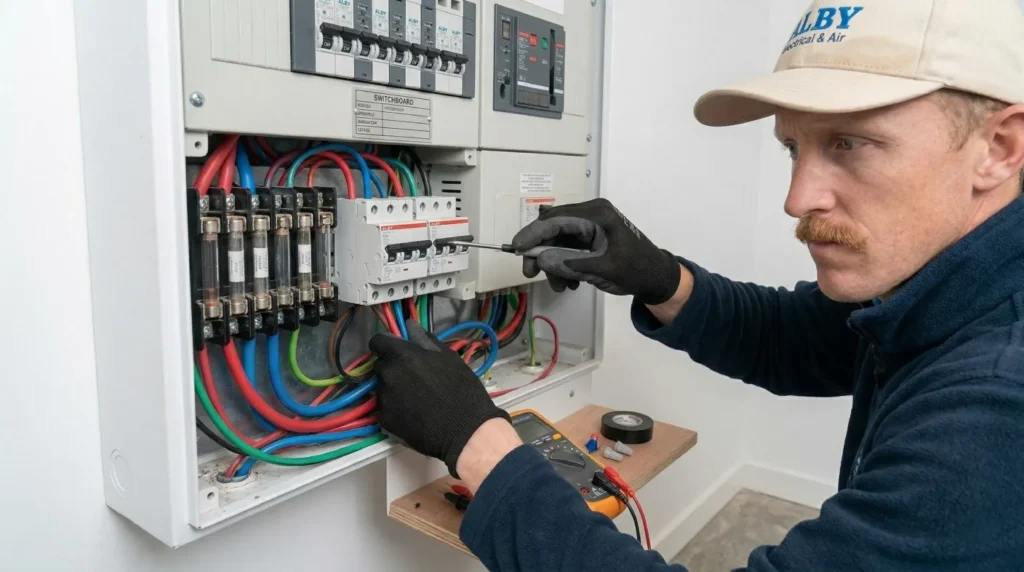
Technician from Alby Electrical & Air upgrading a Perth home's switchboard for safety.

Upgrading Your Perth Home’s Switchboard: When and Why It’s Necessary

By UncategorizedNo Comments
Technician from Alby Electrical & Air upgrading a Perth home's switchboard for safety.

Upgrading Your Perth Home’s Switchboard: When and Why It’s Necessary

Your electrical switchboard serves as the heart of your home’s electrical system, ensuring safe and efficient power distribution throughout.

Like any vital system, it may require upgrading over time to maintain safety, efficiency, and compliance with modern standards.

It is natural to wonder why upgrading is necessary. In this blog, we are talking about why upgrading our switchboard becomes necessary and why it is important.

To know more about us, click here! Want to see why it is important to upgrade your switchboard? Read on!

Types of Air Conditioning Systems

One of the most commonly asked questions when it comes to a switchboard upgrade is a simple “why?”. So, here are some answers

Safety Concerns

One of the most commonly asked questions when it comes to a switchboard upgrade is a simple “why?”. So, here are some answers

  • Outdated Technology: Older switchboards may lack modern safety features such as Residual Current Devices (RCDs), which protect against electric shocks.
  • Overloaded Circuits: With changing lifestyles and progressing technology, it is natural to add more appliances to your space. But, your switchboard may struggle to handle the increased load, leading to overheating and potential fire hazards.

Compliance with Regulations

  • Building Code Requirements: Australian regulations have evolved, and older switchboards may need to meet current safety standards. Upgrading ensures compliance with these regulations, especially if you’re planning renovations or selling your home.

Improved Efficiency

  • Energy Management: Outdated switchboards often cause problems, and it is difficult to keep them up with our appliances. Modern switchboards are more efficient, helping you manage your energy usage better and potentially lowering your electrical bills.
  • Compatibility with Modern Appliances: Newer switchboards can better handle the power demands of today’s energy-hungry appliances, ensuring they run smoothly without tripping the circuit.

When Should You Upgrade Your Switchboard?

Upgrading your switchboard is a critical step in ensuring the safety and efficiency of your home’s electrical system.

But how do you know when it’s time to make this critical upgrade? Here are some clear indicators:

Frequent Tripping or Fuses Blowing

If your circuit breakers are tripping regularly or you find yourself frequently replacing blown fuses, it’s a strong signal that your switchboard may not be keeping up with your home’s electrical demands. 

This can occur for several reasons:

  • Increased Electrical Load: Modern households use more electricity than ever before, with a multitude of gadgets, appliances, and electronics.

    An older switchboard might not be equipped to handle this increased load, leading to overloads that trip the breakers.

  • Faulty Wiring: Over time, wiring can degrade, become damaged, or develop faults, which can cause your switchboard to trip as a protective measure.

  • Inadequate Capacity: Older switchboards were designed for simpler electrical needs. With today’s energy demands, they may need more circuits to distribute power effectively, causing frequent trips.

    Ignoring these issues not only disrupts your daily life but also poses a significant fire risk. Upgrading your switchboard ensures it can handle your household’s power needs safely and efficiently.

Home Renovations

Are you planning to expand your home, upgrade your kitchen, or install energy-intensive appliances like air conditioners or hot tubs? These renovations and additions can significantly increase your home’s electrical load.  Here’s why an upgrade might be necessary:
  • Increased Circuit Demand: New rooms, especially those with kitchens or bathrooms, require additional circuits to distribute power safely. Your current switchboard may not be able to add these circuits.
  • Enhanced Power Needs: Modern appliances often demand more power than older models. Without an upgraded switchboard, you may experience frequent tripping, power outages, or even damage to your new appliances.
  • Compliance with Electrical Standards: Building codes require that your electrical system be up to current standards, especially during major renovations. Upgrading your switchboard ensures that your home remains compliant and safe.Upgrading your switchboard during renovations is a proactive step that prepares your home for increased power needs and avoids potential electrical issues down the line.
Electrician servicing a switchboard, ensuring safety and efficiency for Alby Electrical & Air in Perth.

Purchasing an Older Home

Buying an older home in Perth comes with its charm and character, but it might also come with outdated electrical systems. 

Here’s why upgrading the switchboard should be a priority:

  • Outdated Components: Older homes often have switchboards with components that no longer meet today’s safety standards. These include outdated fuses, a lack of RCDs (Residual Current Devices), and insufficient circuit capacity.
  • Increased Risk: The risk of electrical fires or shock hazards is higher in homes with old or outdated switchboards. Upgrading the switchboard ensures that your new home is equipped with modern safety features, providing peace of mind for you and your family.
  • Future-Proofing: An upgraded switchboard not only addresses current issues but also prepares your home for any future upgrades or renovations you might plan, ensuring your electrical system is robust and ready for anything.

Visible Signs of Wear

Your switchboard should be regularly inspected for any signs of wear or damage. If you notice any of the following, an upgrade may be urgently needed:

  • Scorch Marks or Discoloration: These are clear indicators of overheating, which can be caused by overloaded circuits or faulty wiring. Overheating is a major fire hazard and should be addressed immediately.
  • Burning Smell: A persistent burning smell near your switchboard is a severe warning sign that something is wrong, potentially due to melting insulation or components. This is an urgent issue that requires professional attention.

  • Buzzing or Crackling Sounds: Unusual sounds coming from your switchboard, such as buzzing or crackling, may indicate loose connections, faulty wiring, or arcing. These issues can lead to electrical fires and should be dealt with promptly.

    If you encounter any of these warning signs, it’s essential to contact a licensed electrician right away to assess the situation. In many cases, an upgrade will be the safest and most effective solution.

Ensure Your Home's Safety and Efficiency – Upgrade Your Switchboard Today!

Knowing when to upgrade your switchboard is key to maintaining a safe and efficient home. Whether you’re experiencing frequent electrical issues, planning renovations, buying an older home, or noticing signs of wear, upgrading your switchboard is a wise investment.

Don’t wait until a minor issue becomes a major problem. Ensure your home’s electrical system is safe, efficient, and up to modern standards. If you’re experiencing frequent electrical issues, planning renovations, or have concerns about your switchboard, now is the time to act.

Contact Alby Electrical today for a professional switchboard upgrade. Our experienced electricians will assess your home’s needs and provide a tailored solution to keep your home safe and powered efficiently. Call us now or visit our website to schedule a consultation.

Alby Electrical & Air service van ready for electrical and air conditioning servicing in Perth.

Energy Efficiency in Perth: How to Reduce your Electricity Bill

By UncategorizedNo Comments
Alby Electrical & Air team members ready to provide air-conditioning installation services in Perth.

Energy Efficiency in Perth: How to Reduce your Electricity Bill

Perth’s scorching summers often bring eye-watering electricity bills. But what if you could slash those costs without sacrificing comfort?

This guide offers practical steps to reduce your energy consumption and keep your home cool. From uncovering hidden energy drains to maximising air-con efficiency, we’ve got you covered.

Ready to beat the heat and save money? Let’s dive in.

Hidden Energy Drains: What You Might Be Overlooking

While most people focus on obvious energy consumers like air conditioning, several lesser-known factors could be driving up your electricity bill:

1. Phantom Power and Inefficient Appliances

Also known as standby power, this silent energy drain can account for up to 10% of your home’s electricity use. Devices like tellies, computers, and mobile chargers continue to draw power even when they’re switched off. Additionally, older appliances often consume more energy than necessary.

Quick Fixes:

  • Use smart power boards that cut off power completely when devices are not in use.
  • When replacing appliances, choose models with high energy star ratings. The initial cost might be higher, but the long-term savings are substantial.
  • Only run your dishwasher and washing machine with full loads to maximise efficiency.
  • Use cold water for laundry. Up to 90% of the energy used by washing machines goes to heating water, but cold water is just as effective for most loads.

2. Inefficient Pool Pumps and Refrigeration

If you have a pool, your pump could be one of the biggest energy guzzlers in your home. Many pool owners run their pumps much longer than necessary. Similarly, your fridge, which runs 24/7, could be using more energy than it should.

Quick Fixes:

  • Upgrade to a variable speed pool pump and reduce operating hours. You can often cut pump runtime by 50% without affecting pool cleanliness.
  • For optimal efficiency, keep your fridge between 3 and 5°C and your freezer between -15 to -18 °C.
  • Clean your fridge’s condenser coils at least twice a year to reduce energy consumption.
  • Ensure your fridge and freezer doors are sealed properly to prevent cool air from escaping.
  • Keep your fridge full – it retains cold better than an empty one. If you don’t have enough food, use jugs of water.

3. Suboptimal HVAC Systems

Your heating, ventilation, and air conditioning (HVAC) system is likely the largest energy consumer in your home. Inefficiencies here can significantly impact your bill.

Quick Fixes:

  • If your current system is more than 10 years old, consider upgrading to a modern, energy-efficient air conditioner. Look for models with high energy star ratings.
  • Have your system professionally serviced at least once a year. A well-maintained system operates more efficiently.
  • Set your thermostat to 24-26°C in summer and 18-20°C in winter. Each degree closer to the outside temperature can save you up to 10% on your energy use.
  • Use ceiling or pedestal fans in conjunction with your air-con. They can make a room feel 3-4°C cooler while using much less energy.
  • To prevent false readings, ensure your thermostat is on an interior wall away from direct sunlight, air vents, and appliances.
  • Have a professional inspect and seal your ductwork. Leaks or poor connections could cause up to 30% of the air moving through your duct system to be lost.

4. Water Heating Efficiency

Water heating is often the second-largest energy expense in Perth homes. Here’s how you can reduce its impact on your bill:

Quick Fixes:

  • Set your water heater to 60°C. Any higher is unnecessary and wastes energy.
  • Insulate your water heater and pipes to reduce heat loss.
  • Consider solar hot water systems. Perth’s abundant sunshine makes these an excellent long-term investment despite the higher upfront cost.

5. Lighting Solutions

Efficient lighting can significantly reduce your energy consumption:

Quick Fixes:

  • Switch to LED bulbs. They use up to 75% less energy than incandescent bulbs and last much longer.
  • Take advantage of Perth’s abundant sunshine by opening curtains and blinds during the day.
  • Install sensors or timers to ensure lights are only on when needed, especially in less frequently used areas.

Other Home Improvements for Energy Efficiency

While these suggestions require an upfront investment, they can lead to significant long-term savings:

Quick Fixes:

  • Improve insulation in your walls, ceiling, and floor. This can reduce your heating and cooling needs by up to 40%.
  • Install double-glazed windows to significantly reduce heat gain in summer and heat loss in winter.
  • Use external shadings, such as awnings, pergolas, or strategically planted trees, to reduce the amount of heat entering your home in summer.
  • Consider solar panels. Perth’s sunny climate makes it ideal for solar energy, which can dramatically reduce or even eliminate your electricity bills in the long run.
Alby Electrical & Air van providing energy efficiency services in Perth to reduce electricity bills.

Smart Home Technology

Embracing smart home technology can give you greater control over your energy use:

Quick Fixes:

  • Smart thermostats learn your preferences and routines, automatically adjusting your heating and cooling for optimal efficiency.
  • Smart power boards can automatically cut power to devices that aren’t in use, eliminating standby power consumption.
  • Energy monitoring systems provide real-time information about your energy use, helping you identify areas for improvement.

The Impact of Behavioural Changes

Sometimes, the most effective changes are the simplest:

  • Turn off lights and appliances when not in use.
  • Use cold water instead of hot where possible.
  • Air-dry clothes instead of using a dryer.
  • Cook with lids on pots to reduce cooking time.
  • Close doors and windows when heating or cooling.

Professional Energy Audit

If you’re serious about reducing your energy bills, consider a professional energy audit. At Alby Electrical & Air, we offer comprehensive energy audits that can identify specific areas where you can improve efficiency in your home or business.

A Cooler Home and a Smaller Bill

Reducing your electricity bill doesn’t mean you have to sacrifice comfort. By implementing these energy-efficient strategies, you can enjoy a comfortable home while significantly lowering your energy costs. Remember, every small change adds up to make a big difference.

At Alby Electrical & Air, we’re committed to helping Perth residents achieve energy efficiency. Whether you need advice on upgrading your air conditioning system or want a professional energy audit, we’re here to help. 

Contact us today to start your journey towards a more energy-efficient home and lower electricity bills. Let’s work together to create a more energy-efficient home.

Electricians ensuring energy efficiency in Perth while reducing electricity bills.

Choosing the Best Air Conditioning System for Perth’s Hot Summers

By UncategorizedNo Comments
Professional technician installing air conditioning system for Perth’s hot summers.

Choosing the Best Air Conditioning System for Perth’s Hot Summers

Perth summers can be relentless, with temperatures soaring above 40°C. A reliable and efficient air conditioning system is necessary in this climate. 

Whether you’re looking to upgrade your current system or install a new one. Choosing the right air conditioner can make all the difference in your comfort and energy bills. 

This guide’ll explain everything you need to know to select the best air conditioning system for those sweltering Perth summers.

Types of Air Conditioning Systems

Let’s explore the main types of air conditioning systems suitable for Perth homes:

Split System Air Conditioners

Split systems are popular in Perth for good reason. They consist of an outdoor compressor unit and one or more indoor air outlets.

Pors:

  • Efficient cooling for single rooms or open-plan areas.
  • Relatively easy and less disruptive to install.
  • Can be reversed for heating in winter.
  • Quiet operation.

Cons:

  • Not ideal for cooling multiple rooms or large homes.
  • Each indoor unit requires its own outdoor unit.

Choosing the perfect location to install the ceiling fan is important in determining the type of fan you need to choose. Outdoor fans are designed differently from indoor fans. 

For example, fans designed for outdoor use are mainly for moist and damp weather locations, which is why they resist rust and moisture. In contrast, indoor fans can focus on maintaining airflow and the aesthetics of the space. 

Ducted Air Conditioning

Ducted systems distribute cool air throughout your entire home via a network of ducts.

Pros:

  • Whole-house cooling solution.
  • Discreet vents in ceilings or floors.
  • Quiet operation.
  • Zoning options for efficient temperature control.

Cons:

  • Higher upfront cost.
  • Requires sufficient roof space for installation.

Multi-Split Systems

These systems allow multiple indoor units to be connected to a single outdoor unit.

Pros:

  • Flexible cooling for multiple rooms.
  • Only one outdoor unit is required.
  • Individual temperature control for each room.

Cons: 

  • More complex installation.
  • Can be less efficient than ducted systems for whole-house cooling.

Evaporative Cooling

Evaporative coolers use water evaporation to cool the air, making them well-suited to Perth’s dry heat.

Pros:

  • Lower running costs compared to refrigerated systems.
  • Works well in dry climates like Perth.
  • Provides fresh air circulation.

Cons:

  • Less effective on humid days.
  • Requires a constant water supply.
  • May not cool as effectively as refrigerated systems on sweltering days.

Technicians installing an air conditioning system for optimal performance in Perth’s hot summers.

Factors to Consider When Choosing Your System

Whisper DC Ceiling Fan by Claro – White 48

Now that you’re familiar with the main types of air conditioning systems let’s look at the key factors to consider when making your choice:

1. Home Size and Layout

The size and layout of your home play a crucial role in determining the most suitable air conditioning system. For smaller homes or apartments, a split system or multi-split system might be sufficient. Larger homes or those with complex layouts may benefit more from a ducted system.

2. Energy Efficiency

In Perth’s climate, your air conditioner will likely see heavy use during summer. Look for systems with high energy star ratings to keep your electricity bills in check. We recommend looking for at least a 4-star energy rating for split systems and a 6-star rating for ducted systems.

3. Cooling Capacity

Ensure the system you choose has adequate cooling capacity for your space. This is measured in kilowatts (kW). As a general rule:

  • Small room (up to 20m²): 2.5kW.
  • Medium room (20-40m²): 3.5kW.
  • Large room (40-60m²): 5-6kW.

For whole-house systems, professional calculation is necessary to ensure proper sizing.

4. Installation Requirements

Consider the installation requirements for each system type. Split systems are generally easier to install, while ducted systems require more extensive work and adequate roof space.

5. Noise Levels

If you’re sensitive to noise, pay attention to the decibel ratings of both indoor and outdoor units. Modern inverter technology has significantly reduced noise levels in many systems.

6. Additional Features

Look for features that can enhance comfort and efficiency:

  • Inverter technology for more stable temperatures and lower energy consumption.
  • Wi-Fi connectivity for remote control via smartphone apps.
  • Air purification filters for improved indoor air quality.
  • Automatic cleaning functions to maintain efficiency.

7. Budget

While the upfront cost is important, long-term running costs should also be considered. A more expensive but highly efficient system might save you money in the long run.

Our Recommendations for Perth Homes

Based on our extensive experience serving the Perth community, here are our top recommendations:

  1. For apartments and small homes: A high-efficiency split or multi-split system from brands like Daikin, Mitsubishi Electric, or Fujitsu.
  2. For medium to large homes: A zoned ducted system, which offers whole-house cooling with the flexibility to cool only occupied areas.
  3. For homes with limited roof space: Multi-split systems can provide a great alternative to ducted systems while still cooling multiple rooms.
  4. For budget-conscious homeowners: Consider an evaporative cooling system, especially if you live in areas of Perth with lower humidity.

The Importance of Professional Installation

Regardless of the system you choose, professional installation is crucial. At Alby Electrical & Air, our team of licensed and experienced technicians ensures that your system is installed correctly and compliant with all relevant regulations.

Proper installation maximises your system’s efficiency and lifespan and ensures your warranty remains valid. Plus, our experts can provide valuable advice on system operation and maintenance to keep your air conditioner running smoothly for years to come.

Stay Cool and Comfortable with the Right Air Con

Choosing the right air conditioning system for your Perth home doesn’t have to be overwhelming. By considering your specific needs, home layout, and budget and understanding the options available, you can make an informed decision that will keep you cool and comfortable through even the hottest Perth summers.

At Alby Electrical & Air, we’re committed to helping you find the perfect cooling solution for your home. Our team stays up-to-date with the latest air conditioning technologies and Perth-specific climate considerations to provide you with expert advice and top-notch installation services.

Don’t let another scorching summer catch you unprepared. Contact us today for a consultation, and let’s find the ideal air conditioning system for your home.

Alby Electrical & Air team members ready to provide air-conditioning installation services in Perth.

Choosing the Best Ceiling Fan for Your Perth Home: Expert Tips and Recommendations

By UncategorizedNo Comments
ALBY 12

Choosing the Best Ceiling Fan for Your Perth Home: Expert Tips and Recommendations

Purchasing a ceiling fan for your home is no rocket science. The process typically starts with researching MyDeal, Catch, eBay, or Amazon. Then, you start looking for high-rated products and reviews and consider the style that perfectly matches your home decor. 

It sounds simple, right? We’ve been taught to pick a ceiling fan with the highest positive rating because, ya know, it’s the best. 

But we beg to differ. 

The right ceiling fan for your home is NOT always the one with the best product rating.  In fact, we’ve had too many clients who purchased the top-rated ceiling fans and were unsatisfied with their airflow, noise, energy efficiency, etc.  

It’s a very common occurrence, but you can avoid your ceiling fan fiasco with these simple tips. 

Keep reading to get the most out of your next purchase, and don’t forget to check out our team’s top recommendations! 

Tips To Choose the Right Ceiling Fan for Your Home

Here are top tips for choosing the right ceiling fan to maintain optimal performance in the long run. 

Location of Your Ceiling Fan

Choosing the perfect location to install the ceiling fan is important in determining the type of fan you need to choose. Outdoor fans are designed differently from indoor fans. 

For example, fans designed for outdoor use are mainly for moist and damp weather locations, which is why they resist rust and moisture. In contrast, indoor fans can focus on maintaining airflow and the aesthetics of the space. 

Room Size and Fan Size

The size of the ceiling fan significantly depends on the size of the room in your house in which you want to install it. If the room is large, a small fan will not be adequate to maintain the required airflow. 

Additionally, larger rooms require big-sized fans, or you can also consider using multiple fans to ensure equal airflow distribution.

Ceiling Height Matters too!

Another factor to consider while selecting the right ceiling fan is the height of the ceiling. The blades’ fans play an important role in this for optimal performance and safety. If the ceiling of your home is at a higher height, you should consider lowering the down rod to the appropriate height for better airflow distribution. 

Fan Features Aren't Just Cool to Have

The modern ceiling fan offers a variety of features that make it convenient and functional. There are so many features like:

  • Remote Control: You no longer need to sit and switch on/off the fan. Modern ceiling fans offer a wide range of features like remote control, which allows you to control your ceiling fans with a remote.
  • Internet Enabled: WI-Fi-enabled fans can be accessed with your smartphones, where you just need a stable internet connection and can access your ceiling fan within your comfort zone. 
  • Lighting Feature: Smart and modern ceiling fans come with the lighting, which gives you two-in-one value. 

Understanding Fan Speed and Airflow Efficiency

It is very important to choose a ceiling fan for your home with suitable CFM ratings. CFM rating is one of the most important factors to consider when meeting basic requirements like cooling and perfect airflow.

Energy-efficient fans generally maintain perfect air distribution without consuming much energy, which can save you a lot on your electricity bills. 

Blade Design and Material Impact on Performance

Blade designs and the material used affect the two main significant factors, which are the performance and the aesthetics of your home. A ceiling fan is a perfect combination of style, length, and shape, and the blades of the fan are important for pushing the air downward. 

Ceiling fans come with 3–7 blades; the most common ceiling fan generally comes with 3 blades. The theory behind the blades is that the more blades there are, the more air a fan can push downward, making the room feel cooler. 

Blades can also affect the price; increasing the number of blades also increases the price of the ceiling fan. So, keep the price factor in mind and choose accordingly.

Best And Highly Recommended Ceiling Fan for Perth Homes.

Here are some top-rated ceiling fans you can consider while buying one. 

Whisper DC Ceiling Fan by Claro – White 48

Best for both indoors and outdoors, this fan easily blends with your decor as it comes with curved ABS plastic blades and a sleek, modern look. The Claro Whisper DC fan features a 6-speed remote control and is reversible for summer and winter usage.

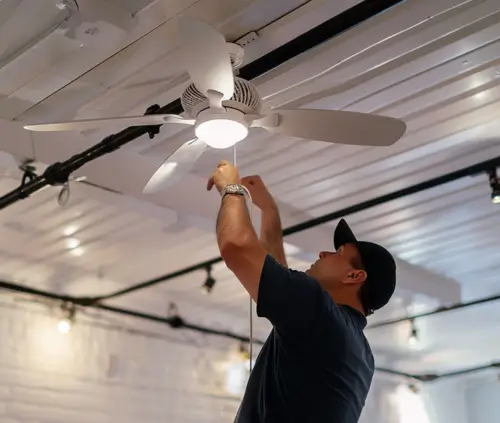
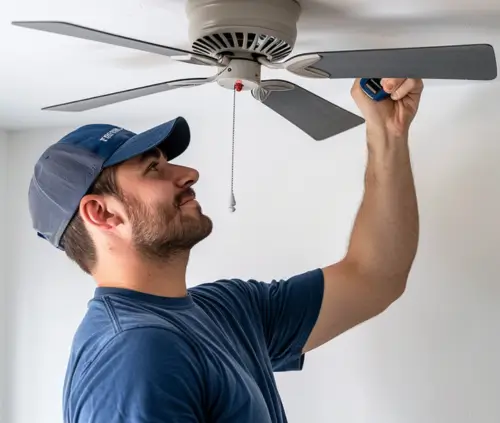
Commercial ceiling fan instalation
Professional installation of a ceiling fan in a residential setting by an electrician.

Ventair DC 3 Ceiling Fan – White 48″

Ventair DC 3 fan comes with a 3-blade design and works best indoors and outdoors. Known for consuming only 2.2W, it is a cost-effective ceiling fan to buy. 

Fanco Eco Style DC Ceiling Fan with Remote – White 52″

As the name suggests, eco-style DC fans consume only 33W at their highest speed. It also comes with 125mm and 250mm extension rods. 

Summer DC Ceiling Fan by Claro – Timber Blades 48″

Summer DC Ceiling fan features 4 quality timer blades, which can consume only 19.5W at a maximum speed and 3.5W at a low speed. It is suitable for indoor installation and can be controlled via a 6-speed remote control, providing you with (2hr/4hr/6hr) timer-off settings. 

Bahama DC Ceiling Fan 52″ by Brilliant – Black

An energy-efficient power the Bahama DC Ceiling Fan. It has 3 ABS moulded blade designs, made to work for modern outdoor and indoor interiors. Its 5-speed remote allows you to utilise its setting for summers and winters.

Looking for professional ceiling fan installers in Perth?

By following our blog, you’ll be able to choose the right ceiling fan for your home, but this is just half the battle; proper installation is also an important part of ensuring the best performance. 

At Alby Electrical and Air, we take pride in ourselves to serve the best service in Perth. We are your local go-to electricians providing fan installation services. 

We understand the importance of good work, and we have a team of professional licensed electricians to maintain our good service streak. We also serve both residential and commercial fan installations. 

Get professional help for ceiling fan installation in Perth if you are ready to enhance the aesthetic and comfort of your space.

Hire Us, Hire the Best! Contact Now.