Emergency callouts 0415 397 334
Skip to main content
Category

Uncategorized

Explore additional uncategorized electrical projects by Alby Electrical, showcasing innovative designs and creative solutions.

How Do I Stop My Smoke Alarm from Beeping? A Complete Australian Guide

How Do I Stop My Smoke Alarm from Beeping? A Complete Australian Guide

By UncategorizedNo Comments
How Do I Stop My Smoke Alarm from Beeping? A Complete Australian Guide

How Do I Stop My Smoke Alarm from Beeping? A Complete Australian Guide

That persistent chirping from your smoke detector at 3 am is enough to drive anyone mad. You’re lying there, staring at the ceiling, wondering how something so small can be so incredibly annoying. If you’re asking yourself, “How do I stop my smoke alarm from beeping?” you’re definitely not alone.

The good news? In most cases, that beeping smoke alarm is trying to tell you something simple, and it’s usually an easy fix. Unlike the full, ear-splitting alarm that signals actual smoke or fire, this repetitive chirping is your detector’s way of saying it needs attention.

Before you’re tempted to rip it off the ceiling (please don’t!), let’s walk through the most common reasons your smoke alarm keeps beeping and exactly how to fix each one.

Real-World Experience from Perth Homes

Over the years, our licensed electricians at Alby Electrical & Air have attended hundreds of callouts across Perth for beeping smoke alarms, especially during winter when overnight temperature drops trigger low-battery warnings. In most cases, the issue is a simple battery replacement or dust buildup, but we also regularly find expired alarms that are over 10 years old and no longer compliant with current WA regulations. This hands-on experience allows us to quickly identify the cause and provide safe, compliant solutions.

Why Is My Smoke Alarm Beeping?

Smoke alarms are designed to be sensitive. That’s good news when there’s a real fire, but it can be frustrating when they start chirping for what seems like no reason at all. Understanding what your alarm is trying to tell you is the first step to getting a good night’s sleep again.

The 7 Most Common Reasons Your Smoke Detector Keeps Beeping

1. Low or Dying Battery (The Number One Culprit)

This is far and away the most common reason for a chirping smoke alarm. Even hardwired smoke detectors have backup batteries that eventually run low. When the battery voltage drops, your alarm will emit a single chirp every 30 to 60 seconds.

Temperature changes, especially overnight when it gets cooler, can trigger this beeping when a battery is close to flat. If you’ve recently replaced the battery and it’s still beeping, double-check that the battery is installed correctly and making proper contact with the terminals.

2. Dust, Debris or Insects Inside the Alarm

Australian homes deal with plenty of dust, especially if you live near the coast or have recently done renovations. Smoke alarms are incredibly sensitive, and even a small amount of dust buildup, tiny insects, or airborne debris can interfere with the sensors.

This is particularly common in alarms located near:

3. High Humidity and Temperature Fluctuations

Perth’s weather can be unpredictable. Sudden temperature drops overnight, steam from showers, or high humidity levels can all confuse your smoke alarm’s sensor and cause intermittent chirping.

If your smoke detector beeps after a hot shower or during particularly humid days, environmental factors are likely the cause. Consider relocating the alarm away from bathrooms, kitchens, or air conditioning vents where rapid temperature changes occur.

4. The Alarm Has Reached End of Life

Most smoke alarms are designed to last around 10 years. When they reach their expiry date, they’ll emit a regular beep to remind you it’s time for replacement. Here’s the frustrating part: this end-of-life warning won’t stop with a battery change.

Check the back of your smoke alarm for a manufacturer’s date. If it’s more than 8-10 years old, it’s time for a new one. This is one of the most commonly missed reasons people wonder why their smoke alarm keeps beeping, no matter what they try.

5. Issues with Hardwired Smoke Alarms

A hardwired smoke alarm beeping can be particularly confusing since it’s connected to your home’s electrical system. However, these units still rely on backup batteries, and several electrical issues can trigger chirping:

In interconnected systems (where multiple alarms are linked), one faulty unit can cause beeping across your entire house. If you’ve ruled out battery issues and your hard-wired smoke alarm won’t stop beeping, it’s time to call a licensed electrician.

6. Incorrect Installation or Compliance Issues

Smoke alarm regulations in Australia are strict, and for good reason. They save lives. However, incorrect placement, outdated models, or non-compliant installations can all cause nuisance beeping.

Common installation issues include:

Simply disabling or removing a beeping alarm isn’t just illegal in most Australian states; it also puts your family at serious risk.

7. Faulty Sensor or Damaged Unit

Sometimes the simplest explanation is correct: your alarm is faulty and needs replacing. Internal sensor faults, moisture damage from roof leaks, or age-related failures can all cause persistent chirping that won’t resolve with cleaning or battery changes.

If your fire alarm keeps beeping after you’ve tried all the troubleshooting steps, replacement is usually the safest and simplest option.

How to Stop Your Smoke Alarm from Beeping: Step-by-Step

Now that you know the common causes, here’s exactly how to stop that annoying chirp.

Step 1: Ensure It's Not a Real Emergency

First things first: make certain there’s no actual smoke or fire. If you smell smoke or see flames, evacuate immediately and call 000. Don’t assume it’s a false alarm.

Step 2: Identify Which Alarm Is Beeping

If you have multiple smoke detectors, listen carefully to locate the one making the noise. In interconnected systems, you might need to check each unit individually.

Step 3: Try the Silence Button

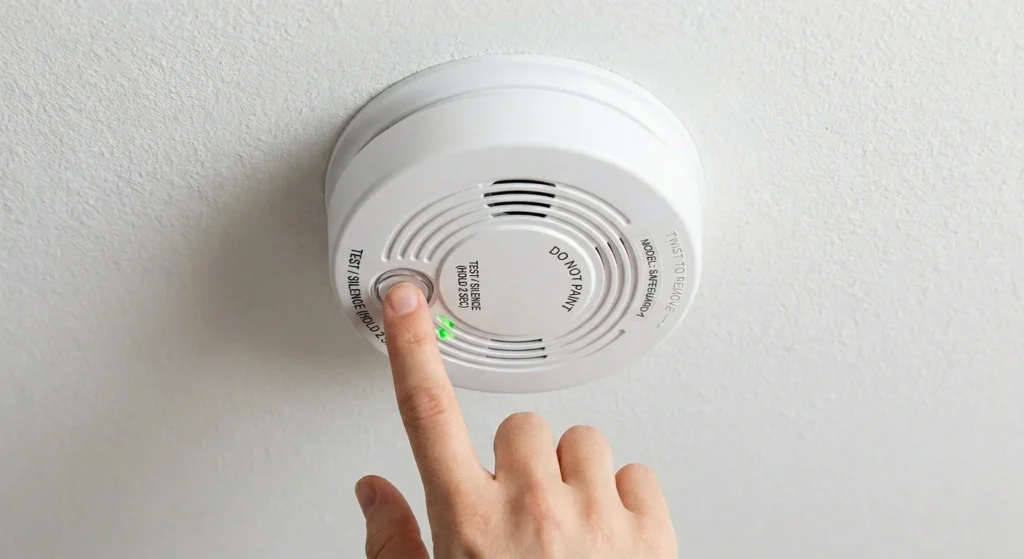
Most modern smoke alarms have a test/silence button. Press and hold it for 5-10 seconds. This should temporarily silence the alarm and reset the system. If the beeping stops permanently, it was likely a minor sensor issue.

Step 4: Replace the Battery

For battery-operated units:

For hardwired alarms with backup batteries, follow the same process. Never disconnect a hardwired alarm without turning off the power at the circuit breaker first.

Step 5: Clean the Smoke Alarm

Dust and debris can cause false alarms and chirping. Here’s how to clean your detector properly:

Step 6: Check for Environmental Factors

If your alarm is near a bathroom, kitchen, or air vent, consider relocating it. Smoke alarms should be:

Step 7: Reset the Alarm

After replacing batteries or cleaning, reset your smoke alarm:

Step 8: Check the Manufacture Date

Turn the alarm over and look for the manufacturer or installation date. If it’s more than 10 years old, it’s time for a replacement, regardless of whether it seems to be working.
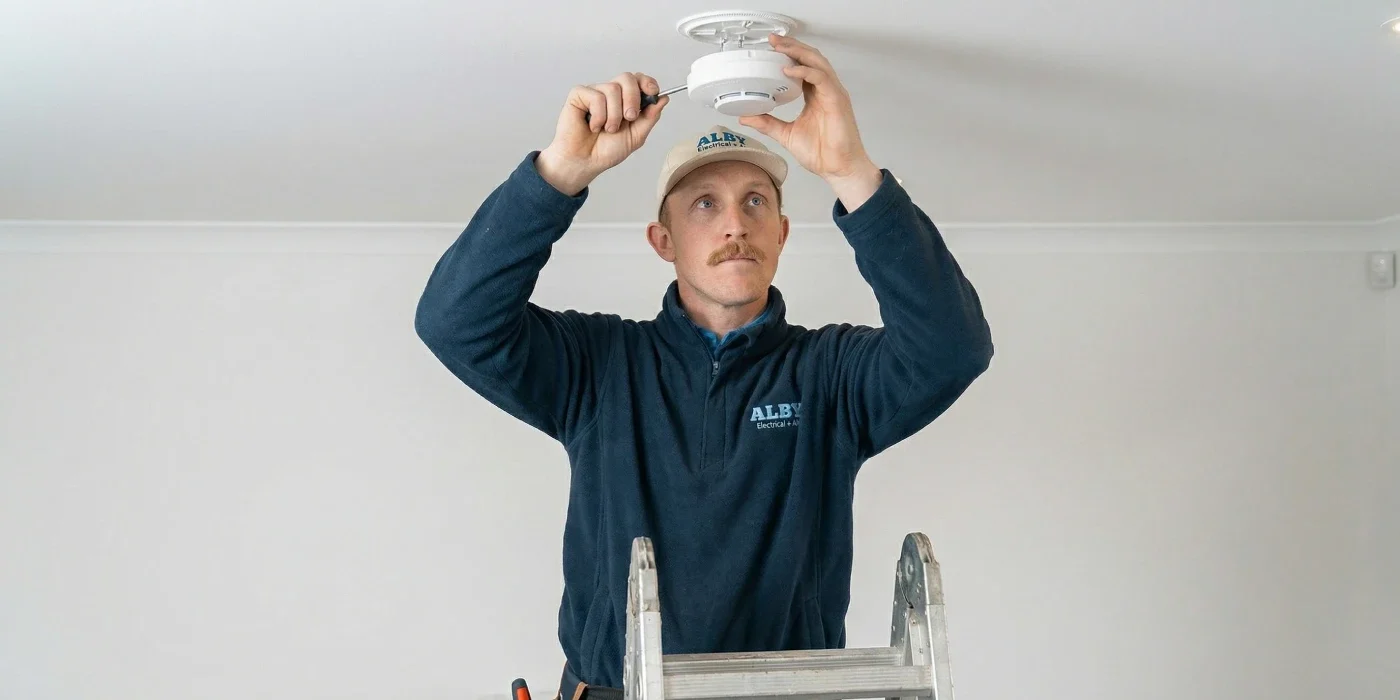
Electrician installing a smoke alarm, highlighting safety standards in Perth.

When to Call a Professional Electrician

Some smoke alarm issues require expert help. Contact a licensed electrician if:

At Alby Electrical & Air, our experienced licensed electricians can inspect, test, repair, or replace your smoke alarms quickly and safely. We ensure your home meets all current safety standards and building regulations, giving you peace of mind and, most importantly, quiet nights.

Australian Smoke Alarm Compliance

Smoke alarm laws vary by state, but all Australian jurisdictions require:

In Western Australia, property owners and landlords have specific responsibilities to ensure smoke alarms are installed and maintained correctly. Whether you’re a homeowner, landlord, or tenant, keeping your smoke detectors in working order isn’t just about stopping that annoying beep; it’s about protecting lives.

In Western Australia, smoke alarms must be permanently connected to mains power (hardwired) or powered by a non-removable 10-year lithium battery. Landlords must ensure alarms are compliant prior to a tenancy agreement and tested within 30 days before a new tenant moves in. Failure to comply can result in fines. If you’re unsure whether your alarms meet WA requirements, a licensed electrician can perform a compliance inspection.

Prevention: How to Avoid Future Beeping

Once you’ve stopped the current beeping, here’s how to prevent it from happening again:

Monthly: Test your smoke alarms by pressing the test button for at least 5 seconds. You should hear a loud alarm sound.

Every 6 Months: Replace batteries in battery-operated units, even if they’re not beeping yet. A good rule of thumb is to change them when daylight saving time changes.

Annually: Give your smoke alarms a thorough clean to remove dust and debris buildup.

Every 10 Years: Replace the entire smoke alarm unit, even if it appears to be working fine. Internal components degrade over time.

Keep a record of when you installed each alarm, so you know when replacement is due. Mark it on your calendar or set a reminder on your phone.

Don't Let a Beeping Alarm Compromise Your Safety

That persistent chirping is annoying, but it’s also your smoke alarm doing its job. It’s alerting you to a problem that needs fixing. While it’s tempting to just remove the battery or disconnect the unit to get some peace, doing so puts your family at risk and may be illegal under Australian law.

Most smoke alarm beeping issues are simple to resolve with a new battery or a quick clean. However, if you’ve tried the troubleshooting steps above and your alarm is still chirping, don’t hesitate to call in the professionals.

Need Help with Your Smoke Alarms? Contact Alby Electrical Today

If your smoke alarm won’t stop beeping or you’re unsure whether your alarms meet current Australian standards, the team at Alby Electrical & Air is here to help. We provide comprehensive smoke alarm services throughout Perth, including:

Our licensed electricians will ensure your smoke detection system is working properly, compliant with regulations, and giving you the protection you need. Don’t compromise on safety or lose another night’s sleep to that annoying chirp.

Contact Alby Electrical & Air today for expert smoke alarm services in Perth. Call us at 1300 894 009 or visit our website to book a consultation. We’re committed to keeping your home safe and your smoke alarms quiet.
How Often Should Smoke Alarms Be Tested

How Often Should Smoke Alarms Be Tested

By UncategorizedNo Comments
How Often Should Smoke Alarms Be Tested

How Often Should Smoke Alarms Be Tested

Smoke alarms are silent protectors that stand between your family and disaster. Yet many Australian homeowners only think about these lifesaving devices when they start chirping at 3 am. The question “how often should smoke alarms be tested?” isn’t just about ticking a box; it’s about creating a simple routine that could save lives.

If you’ve ever wondered whether your smoke detectors are actually working, you’re not alone. With busy schedules and countless home maintenance tasks competing for attention, smoke alarm testing often slips down the priority list. As licensed electricians who regularly inspect and install smoke alarms in Perth homes, the team at Alby Electrical often finds alarms that appear functional but have expired sensors, incorrect battery types, or faulty wiring. These real-world inspections show how common it is for smoke alarms to go years without proper testing or replacement.

Why Regular Smoke Alarm Testing Matters

Your smoke alarm’s primary job is to wake you up when smoke enters your home, giving you precious seconds to evacuate safely. According to Fire and Rescue NSW, working smoke alarms cut the risk of dying in a house fire by half. Similar guidance from Australian fire authorities, such as state fire services, reinforces the importance of regular testing and maintenance to ensure alarms function when needed. But like any piece of safety equipment, smoke alarms need regular attention to function properly.

Dust, insects, humidity, and general wear can affect a smoke alarm’s sensor over time. Monthly testing helps you catch problems before they become serious. It also gets your household familiar with the alarm sound, so everyone knows exactly what to do when they hear it for real.

Think of it like checking your car’s brakes. You wouldn’t wait until you’re heading down a steep hill to find out they’re not working. The same logic applies to your smoke alarms.

The Monthly Testing Routine

Test every smoke alarm once a month. This is the golden rule recommended by fire authorities across Australia. The good news? It takes less than five minutes to test every alarm in your home.

Here’s how to do it properly:

Set a reminder on your phone for the first Sunday of every month. Make it a family activity so even the kids understand the importance of fire safety. Some households test their alarms on pension day or when they pay rent. Pick whatever date works for you, just make it consistent.

Six-Monthly Maintenance

Every six months, your smoke alarms need a proper clean. Dust, cobwebs, and insect debris can block the sensor and trigger false alarms or, worse, prevent the alarm from detecting real smoke.

Use the soft brush attachment on your vacuum cleaner to gently clean around the alarm’s vents and cover. Wipe the exterior with a dry cloth. Never use water, cleaning products, or spray polish, as moisture can damage the electronics inside.

While you’re at it, check the manufacture date printed on the back or side of each alarm. This is also a good time to update your records if you keep a home maintenance log.

Annual Battery Replacement

If your smoke alarms use nine-volt alkaline batteries, replace them once a year with fresh, brand-name batteries. Fire authorities often recommend doing this on a memorable date like 1 January or when daylight saving time changes.

Many modern smoke alarms come with sealed 10-year lithium batteries. These units don’t need battery changes, but you still must test them monthly to ensure the power circuit is working properly.

For hardwired smoke alarms connected to your home’s electrical system, there’s usually a backup battery that needs annual replacement. Don’t skip this step. During a power outage caused by an electrical fault or storm (common triggers for house fires), that backup battery might be your only protection.

The 10-Year Replacement Rule

Here’s something many homeowners don’t realise: smoke alarms don’t last forever. Under Australian regulations, smoke alarms must be replaced every 10 years from their date of manufacture, not installation.

After a decade of operation, sensors degrade, electronics wear out, and the alarm’s reliability drops significantly. An old smoke alarm might still beep during a test but fail to detect actual smoke quickly enough to save lives.

Check the back of your smoke alarms now. If you can’t find a manufacturer’s date, or if it’s been 10 years or more, it’s time to replace them. Modern photoelectric smoke alarms are more effective at detecting smouldering fires (the most common type in Australian homes) and produce fewer false alarms than older ionisation models.

When replacing smoke alarms, Australian regulations require hardwired photoelectric alarms in all new installations and renovations. This is a job for a licensed electrician who can ensure your system meets current safety standards.

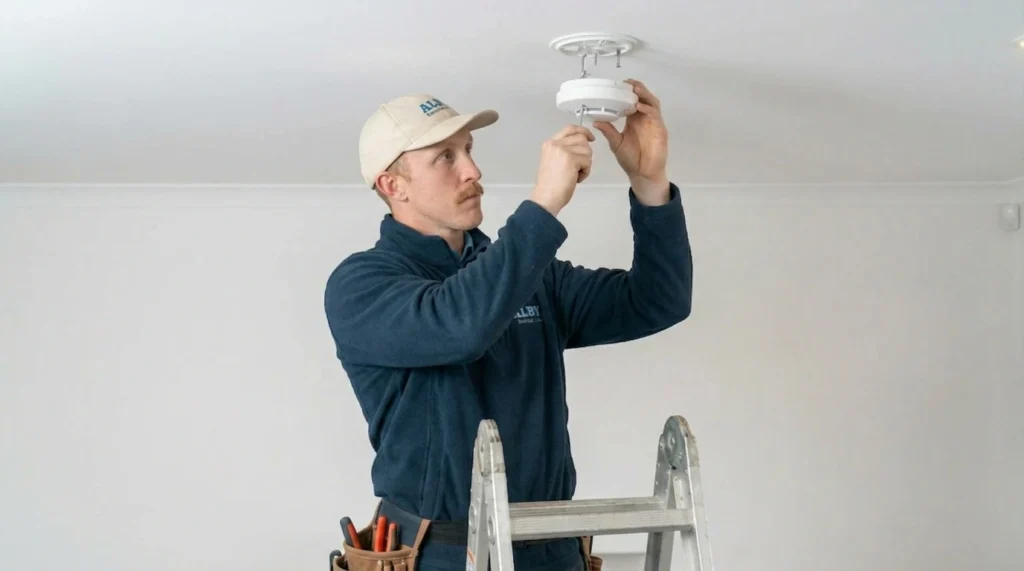
Electrician installing a smoke alarm, highlighting safety standards in Perth.

What the Law Says in Australia

Smoke alarm regulations vary slightly between states and territories, but the fundamentals are consistent. All Australian homes must have working smoke alarms installed on every level of the dwelling. In Western Australia, where Alby Electrical operates, the Building Regulations 2012 specify that:

For landlords and property managers, compliance isn’t optional. Failing to maintain working smoke alarms can result in fines up to $5,000, not to mention the devastating liability if a tenant is injured in a fire.

Warning Signs That Need Immediate Attention

Don’t wait until your monthly test if your smoke alarm shows any of these warning signs:

Any alarm that’s been exposed to fire, even if it still appears to work, should be replaced. The heat and smoke can damage internal components in ways that aren’t immediately obvious.

In Perth homes, electricians frequently see smoke alarms affected by dust buildup, insects entering the sensor vents, or ageing backup batteries in hardwired systems. Regular testing helps identify these issues early before they compromise the alarm’s ability to detect smoke during an emergency.

DIY vs Professional Smoke Alarm Services

Monthly testing is something every homeowner can and should do themselves. It’s quick, free, and puts you in direct control of your family’s safety.

Some tasks require a licensed electrician:

Professional electricians have the tools and expertise to test the electrical connections, verify correct placement according to regulations, and ensure your entire fire safety system works together as intended.

At Alby Electrical, we often encounter homeowners who’ve been testing smoke alarms with expired sensors or incorrect battery types. A quick professional inspection can identify these issues and give you peace of mind that your smoke alarms will actually work when it matters most.

Creating Your Smoke Alarm Testing Schedule

Let’s make this practical. Here’s a simple schedule you can start following today:

Monthly: Press the test button on every alarm. Takes 5 minutes.

March and September: Vacuum and clean all alarms during the seasonal time change.

Your birthday: Replace nine-volt batteries (easy to remember).

Check now: Find the manufacturer’s date on each alarm. Set a calendar reminder for 10 years from that date.

Annual inspection: For rental properties or peace of mind, book a licensed electrician to inspect your entire system.

Write these dates in your phone calendar with recurring reminders. Better yet, stick a small label next to each alarm, noting the manufacturer’s date and replacement due date so you don’t have to climb a ladder just to check.

Protect What Matters Most

Smoke alarm testing isn’t complicated or time-consuming. The monthly test takes less time than making a cup of coffee, yet it could mean the difference between a close call and a tragedy.

Australian fire services respond to a house fire approximately every 30 minutes. Many of these fires occur at night when families are asleep and most vulnerable. A working smoke alarm doesn’t prevent fires, but it gives you those early seconds to get everyone out safely.

Don’t wait for the low-battery chirp to remind you. Don’t assume your smoke alarms are fine because they’re not making any noise. Make testing part of your routine, just like locking the doors at night or checking the tyres before a road trip.

If you’re unsure about your smoke alarms, if they’re approaching the 10-year mark, or if you’d simply like professional peace of mind, the team at Alby Electrical is here to help. We service homes and businesses across Perth with comprehensive smoke alarm installation, testing, and maintenance services.

Your family’s safety is too important to leave to chance. Test your smoke alarms this month, mark the next test date in your calendar, and create a simple routine that could save lives.

Ready to ensure your smoke alarms are up to scratch? Contact Alby Electrical today for professional smoke alarm testing, installation, and compliance services across Perth. Our licensed electricians are ready to help keep your home safe.

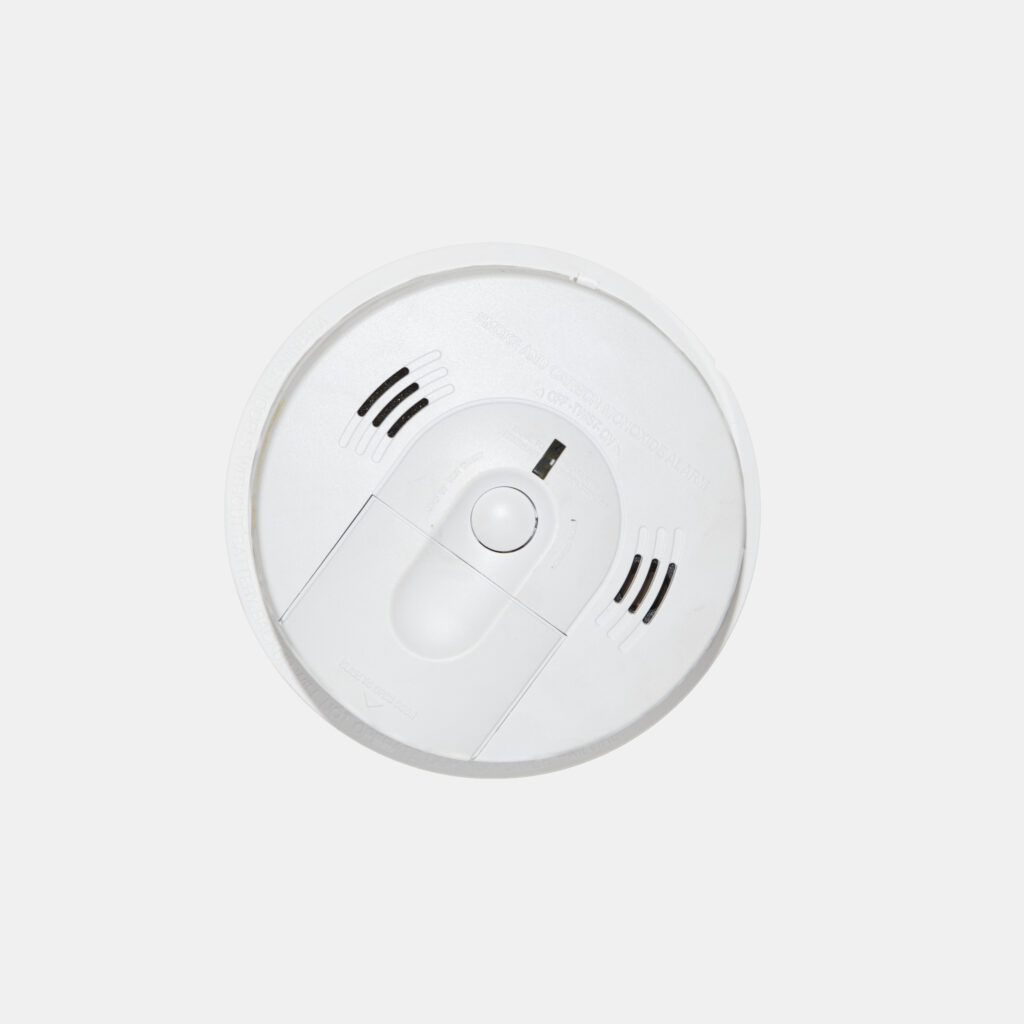
smoke carbon monoxide alarm isolated white background scaled
Difference Between Electrician and Electrical Technician

What is The Difference Between Electrician and Electrical Technician

By UncategorizedNo Comments
Difference Between Electrician and Electrical Technician

What is The Difference Between Electrician and Electrical Technician

An electrician installs, maintains, and repairs electrical systems in homes and businesses, while an electrical technician specialises in testing, troubleshooting, and maintaining electrical equipment and control systems. Essentially, electricians focus on power distribution, technicians on equipment diagnostics.

What Are the Key Responsibilities of Each Role?

  • Electricians install wiring, lighting fixtures, switchboards, and powerpoints throughout residential and commercial properties.

  • They diagnose electrical faults, perform safety switch installations, and ensure compliance with Australian electrical standards.

  • Electrical technicians focus on electronic systems, reading technical diagrams, and maintaining specialised industrial equipment.

  • Technicians typically work with control panels, programmable logic controllers, and automated machinery in manufacturing settings.

  • Both roles require licensing in Australia, but electricians handle broader installation work while technicians specialise in equipment-level troubleshooting.

Why Does Understanding This Difference Matter for Your Property?

  • Choosing the right professional ensures your electrical work is completed safely, efficiently, and to code requirements.

  • For home renovations, switchboard upgrades, or commercial electrical projects, a licensed electrician is your primary contact.

  • Electrical technicians excel in industrial environments where machinery diagnostics and preventive maintenance are priorities.

  • Hiring incorrectly qualified professionals can lead to safety hazards, failed inspections, and costly rework down the track.

  • Understanding these distinctions helps you communicate your needs clearly and receive accurate quotes for electrical services.

How Does Alby Electrical & Air Ensure You Get the Right Expertise?

  • Our team of fully licensed electricians brings comprehensive experience across residential, commercial, and industrial electrical work throughout Perth.
  • We maintain up-to-date certifications and comply with all Australian standards, ensuring every job meets strict safety requirements.
  • When you get in touch with us, we assess your specific needs and assign electricians with the exact expertise your project demands.
  • From smoke alarm installations to complete switchboard upgrades, we deliver transparent pricing and quality workmanship you can rely on.
  • Unlike businesses that blur the lines between roles, we ensure that properly qualified professionals handle your electrical work every single time.

Ready to solve your electrical challenges with local Perth experts? Whether you need residential repairs, commercial installations, or safety upgrades, Get In Touch with Alby Electrical & Air today for professional electrical solutions that prioritise your safety and satisfaction.

Alby Electrical & Air Handle LED Conversions Differently
Do i need a transformer for LED downlights

Do I need a Transformer for LED Downlights​

By UncategorizedNo Comments
Do i need a transformer for LED downlights

Do I need a Transformer for LED Downlights​

No, modern LED downlights typically don’t require transformers because they have built-in drivers that convert 240V mains power directly. However, some low-voltage LED systems (12V) do need compatible transformers if you’re replacing old halogen lights with LED equivalents.

What Is the Difference Between LED Downlights With and Without Transformers?

  • Mains voltage LEDs (240V) have integrated drivers and plug directly into your electrical system without any transformer needed.
  • Low-voltage LEDs (12V) require a compatible LED transformer or driver to step down the voltage safely from mains power.
  • Most modern installations use 240V LEDs because they’re simpler, more efficient, and eliminate transformer-related issues like buzzing or flickering.
  • If you’re retrofitting existing halogen downlights, check whether your current setup is 12V (needs transformer replacement) or 240V (direct LED swap).
  • Using the wrong transformer type with LEDs can cause poor performance, reduced lifespan, or complete failure of your lighting.

Why Should You Consider Professional LED Downlight Installation?

  • DIY installations often result in incorrect transformer pairing, causing lights to flicker, dim prematurely, or fail safety inspections.
  • Professional electricians assess your existing wiring and recommend whether to upgrade to 240V LEDs or install compatible 12V transformers.
  • Expert installation ensures proper heat management and correct spacing, which directly impacts the lifespan of your LED downlights Perth installation.
  • Qualified electricians guarantee compliance with Australian electrical standards, protecting your home insurance and preventing potential fire hazards.
  • A professional assessment identifies whether your switchboard can handle additional lighting loads or requires upgrades.

How Does Alby Electrical & Air Handle LED Conversions Differently?

Alby Electrical & Air Handle LED Conversions Differently
  • We conduct thorough electrical assessments before recommending transformer solutions, ensuring you get the most cost-effective and future-proof lighting setup.
  • Our team specialises in seamless upgrades from halogen to LED systems, handling transformer removal or replacement without damaging your ceilings.
  • We offer transparent advice on whether 240V or 12V systems suit your specific situation, rather than pushing one solution. Get In Touch for honest recommendations.
  • Every installation includes proper certification and compliance documentation, giving you peace of mind and meeting insurance requirements.
  • We provide energy consumption comparisons showing exactly how much you’ll save by switching to properly installed LED systems.

Ready to upgrade to energy-efficient LED downlights without the guesswork? Get In Touch with Alby Electrical & Air today for expert assessment and professional installation across Perth.

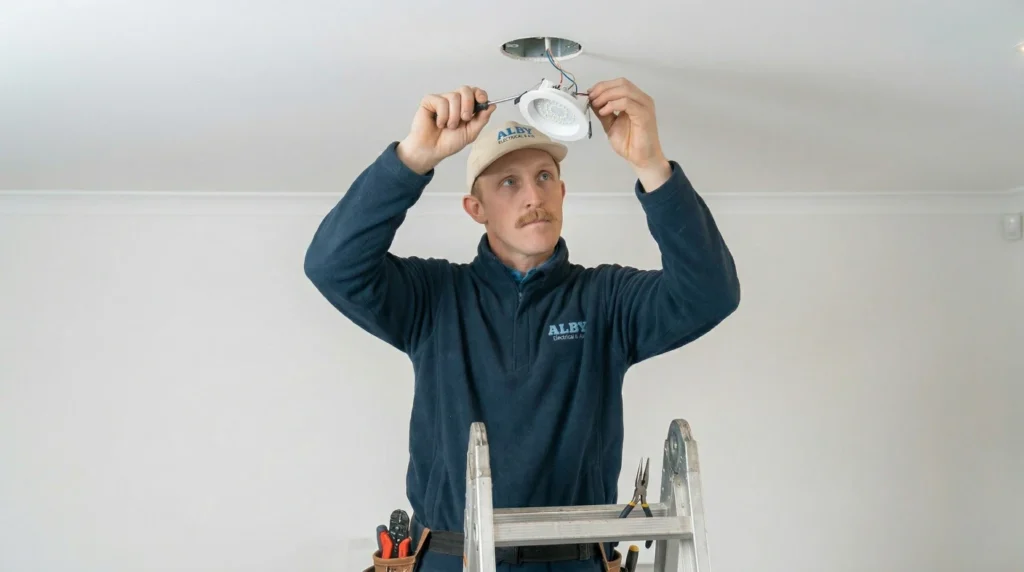
Electrician changing an LED downlight, showcasing electrical services in Perth.

Can you Replace Halogen Downlight Globes with LED Globes

By UncategorizedNo Comments
Electrician changing an LED downlight, showcasing electrical services in Perth.

Can you Replace Halogen Downlight Globes with LED Globes

Yes, you can replace halogen downlight globes with LED globes in most cases. LED globes use the same fittings (GU10, MR16) as halogens, deliver superior light quality, and slash energy costs by up to 80% while lasting 25 times longer.

What Makes LED Globes Compatible with Halogen Fittings?

  • Direct Retrofit Capability: LED globes are manufactured with identical base types (GU10 for 240V, MR16 for 12V) that slot directly into existing halogen downlight housings.
  • Voltage Compatibility: Most LEDs work with both mains voltage (240V) and low-voltage (12V) systems, though 12V systems may require upgrading the transformer.
  • Physical Dimensions: LED replacement globes match halogen globe sizes precisely, ensuring proper fit within ceiling cavities and trim rings.
  • Instant Light Output: Modern LED globes eliminate warm-up time, providing full brightness immediately, unlike older energy-saving alternatives.
  • Colour Temperature Options: Available in warm white (3000K), natural white (4000K), and cool white (6000K) to replicate or improve upon halogen’s warm glow.

Why Should Homeowners Switch to LED Downlights?

  • Massive Energy Savings: LEDs consume only 5-10 watts, compared with 50 watts for halogens, reducing electricity bills by $200+ annually in typical homes.
  • Reduced Fire Risk: Halogens generate excessive heat (up to 370°C), while LEDs stay cool, eliminating burn risks and ceiling insulation damage.
  • Professional Installation Matters: Our LED downlights Perth specialists assess your existing setup, upgrade transformers if needed, and ensure optimal performance.
  • Extended Lifespan: LED globes deliver 25,000-50,000 hours of operation compared to halogen’s 2,000 hours, meaning decades before replacement.
  • Enhanced Lighting Quality: Superior colour rendering (CRI 80+) reveals true colours in furnishings and décor better than yellowing halogen light.
Technician replacing halogen downlight globes with LED globes in Perth home.

How Does Alby Electrical & Air Handle LED Conversions Differently?

  • Comprehensive System Assessment: We test existing transformers, check wiring integrity, and measure voltage drops rather than just swapping globes.
  • Perth Climate Expertise: Our installations account for Western Australia’s extreme heat, selecting IC-rated (insulation contact) LED fittings that prevent overheating in Perth’s summers.
  • Guaranteed Compatibility: Through professional consultation, we eliminate flickering, buzzing, and premature failure caused by mismatched transformers.
  • Future-Proof Solutions: We recommend dimmable LEDs with quality electronic transformers, ensuring smooth dimming performance without annoying strobing effects.
  • Local Warranty Support: As Perth-based electricians, we provide ongoing service and warranty claim assistance that online retailers cannot match.

Upgrade your home’s lighting efficiency and safety with expert LED downlight installation. Get In Touch with Alby Electrical & Air today for a free assessment and quote on replacing your outdated halogen downlights with modern LED technology.

Can an electrician provide form 16 for emergency lighting

Can an Electrician Provide form 16 for Emergency Lighting

By UncategorizedNo Comments
Can an electrician provide form 16 for emergency lighting

Can an Electrician Provide form 16 for Emergency Lighting

Yes, licensed electricians can provide Form 16 certificates for emergency lighting systems in commercial and residential buildings, as they’re qualified to test and certify that emergency lighting meets Australian Standards AS 2293.

What Is Form 16 for Emergency Lighting and Why Is It Required?

  • Form 16 is an official certificate of compliance verifying that emergency lighting systems meet safety regulations under AS 2293.
  • Licensed electricians must complete comprehensive testing, including duration tests, battery capacity checks, and illumination level measurements.
  • The certificate confirms that exit signs, emergency lights, and backup systems will function during power failures or emergencies.
  • Building owners require Form 16 for insurance, compliance audits, and occupancy permits.
  • Regular recertification is mandatory to ensure ongoing safety standards and legal compliance.

Why Should You Care About Proper Emergency Lighting Certification?

  • Non-compliant emergency lighting can result in fines up to $50,000 for businesses and building owners.
  • Properly certified systems ensure occupants can safely evacuate during emergencies, preventing injuries and potential liability.
  • Professional electricians in Inglewood provide thorough testing and detailed documentation that satisfies insurance requirements.
  • Form 16 certification increases property value and demonstrates a duty of care to tenants and employees.
  • Regular professional testing identifies battery degradation before complete system failure occurs.
Electrician preparing wiring for emergency lighting installation in Perth.

How Does Alby Electrical & Air Handle Emergency Lighting Certification Differently?

  • Our team uses advanced testing equipment that exceeds standard requirements, providing comprehensive reports with photographic evidence.
  • We offer same-day Form 16 certification services with flexible scheduling to minimise disruption to your business operations.
  • Through our contact service, clients receive ongoing compliance reminders before recertification deadlines.
  • We provide complimentary emergency lighting system health checks, identifying potential issues before they become costly problems.
  • Our transparent fixed pricing includes all testing, certification, and digital record-keeping with no hidden charges.

Don’t risk non-compliance with emergency lighting regulations. Get In Touch with Alby Electrical & Air today for professional Form 16 certification that protects your property, occupants, and peace of mind.

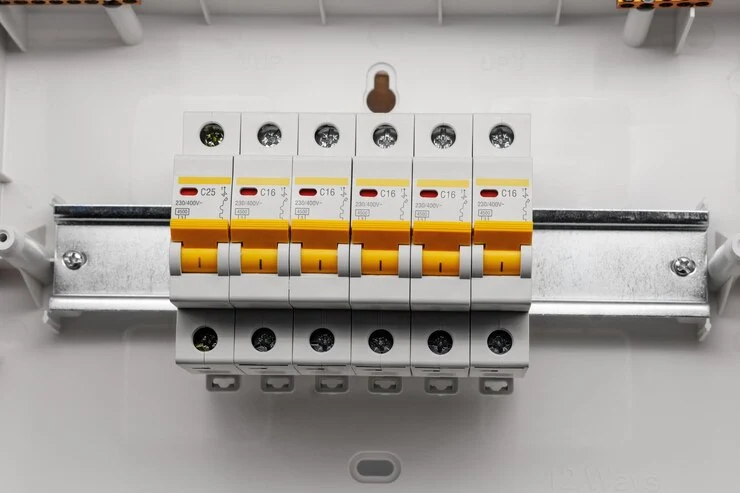
Protective electrical devices installed on a DIN rail for switchboard upgrades in Perth.

What is Involved in a Switchboard Upgrade?

By UncategorizedNo Comments
Protective electrical devices installed on a DIN rail for switchboard upgrades in Perth.

What is Involved in a Switchboard Upgrade?

Have you ever wondered about how a switchboard upgrade helps keep your home’s electrical system safe, efficient, and capable of handling modern power demands?

If you are considering a switchboard upgrade, understanding what’s involved will help you make an informed decision. So, read on to know the aspects of the process, why it’s essential, and what you can expect when upgrading your switchboard.

To learn more about us, please click here.

Why Upgrade Your Switchboard?

1.  Safety Compliance

If you live in an older home, you may have older switchboards, which often lack safety features like residual current devices (RCDs) or circuit breakers. 

These devices protect against electrical shocks and prevent potential fire hazards by interrupting the electrical flow when a fault is detected. 

This quick response significantly reduces the risk of serious injuries and electrical fires, making them an essential component of modern electrical systems.

2.  Increased Power Demands

Modern homes use more electrical appliances than ever before, from air conditioners and home entertainment systems to electric vehicles and smart home devices. 

Each of these contributes to the overall electrical load, which older switchboards may struggle to manage. When you upgrade with a professional, it ensures your switchboard can handle these increased demands without overloading circuits, which can lead to frequent tripping, overheating, or even potential hazards.

3. Fault Prevention

Aging components in older switchboards are more prone to faults, which can cause power outages or damage to your appliances. 

Over time, wear and tear compromises the integrity of the electrical connections, increasing the risk of short circuits or overheating. Consider upgrading your switchboard to replace these outdated components with modern, reliable ones, significantly reducing the possibility of faults and ensuring the longevity of your appliances.

4. Property Value

If you ever want to sell your property, having a compliant and modern switchboard adds value and can be a key selling point for potential buyers. 

Homebuyers are increasingly looking for properties that are not only safe but also equipped to handle the demands of contemporary living. An upgraded switchboard establishes that the electrical system is up to date, giving buyers peace of mind and making your home more attractive in a competitive market.

Steps Involved in a Switchboard Upgrade

1.  Assessment of Existing Setup

Our process begins with a friendly visit from our licensed electricians, who carefully inspect your current switchboard. 

We’ll look for outdated or unsafe components, ensuring your home’s electrical system meets modern safety standards. Additionally, we’ll assess your household’s power usage and needs, designing a tailored solution to keep everything running smoothly.

2. Planning the Upgrade

Next, we will walk you through the upgrade options. We’ll explain the types of switchboards available and recommend the safety devices best suited for your home. If your setup requires it, we’ll also outline any necessary upgrades to your wiring or meter box, ensuring every detail is accounted for.

3. Power Disconnection

When it’s time for the upgrade, we will temporarily disconnect your home’s power supply. While this might sound inconvenient, it’s a crucial step to keep everyone safe during the installation. Don’t worry—we’ll work efficiently to minimise any disruption to your day.

4. Installation of the New Switchboard

Out with the old and in with the new! Your outdated switchboard is carefully removed, and a sleek, compliant model takes its place. We install essential safety features like modern circuit breakers, safety switches, and surge protectors. These updates not only enhance safety but also ensure your electrical system performs at its best.

5. Testing and Certification

Once everything is in place, we will conduct thorough testing to make sure the new switchboard is functioning perfectly. After confirming that everything meets Australian safety standards, you’ll receive a compliance certificate. This document is your assurance that your home’s electrical system is up to code and ready to handle your power needs.

Technician diagnosing power points causing circuit breaker issues in Perth.

How Long Does It Take?

Most switchboard upgrades are completed within 4 to 8 hours, depending on the complexity of the job and whether additional work, such as rewiring, is required.

For a more accurate estimate, feel free to contact us. At Alby Electrical, we’re here to help stabilise your power supply, eliminate flickering lights, and enhance your home’s electrical safety with advanced safety switch technology. Let us make your upgrade stress-free.
Call 0415397334

Signs You Need a Switchboard Upgrade

If you’ve noticed any signs, like frequent circuit breaker trips, flickering lights, or overheating appliances, it’s time to consult a licensed electrician. With that, if you have an outdated fuse box, renovations or additions to your home, consider asking licensed electricians like Alby Electrical to inspect your switchboard and see if you need an upgrade.

Trust Alby Electrical for Your Switchboard Upgrade

At Alby Electrical, we specialise in providing reliable and professional switchboard upgrades. We prioritise your and your family’s safety. Our team of licensed electricians ensures your electrical system is safe, compliant, and capable of meeting your household’s demands.

Contact us today to schedule an assessment and get expert advice tailored to your needs. Let us help you power your home safely and efficiently!

Alby Electrical & Air team laughing together while discussing electrical services in Perth.
Electrician changing an LED downlight, showcasing electrical services in Perth.

Do I Need an Electrician to Change an LED Downlight

By UncategorizedNo Comments
Electrician changing an LED downlight, showcasing electrical services in Perth.

Do You Need an Electrician to Change an LED Downlight?

LED downlights are a staple in modern Australian homes and businesses. They’re energy-efficient, stylish, and long-lasting. But when one fails, the big question is whether you can replace it yourself or need a licensed electrician.

At Alby Electrical & Air, we’ve seen the full range, from simple swaps to complete lighting overhauls. Here are the key factors to weigh up, the common mistakes to avoid, and how to keep your lighting safe and reliable.

What Sets LED Downlights Apart?

LED downlights pack advanced technology into a compact design, which is what makes them different from traditional lighting:

  • Integrated components: Many combine the bulb, driver, and housing into one unit. This improves efficiency but can complicate replacements.
  • Voltage sensitivity: LEDs often rely on drivers or transformers to regulate voltage, and a mismatch can cause flickering or complete failure.
  • Longer lifespan: LEDs can last up to 50,000 hours, so when one fails it usually points to an issue beyond the bulb itself.

Can You Replace an LED Downlight Yourself?

The honest answer is that it depends on the setup. Here’s how to tell.

When DIY is safe

If the downlight is part of a plug-and-play system, you can usually replace it yourself:

  • Plug-and-play fittings connect to a standard socket via a plug, much like a power point.
  • To replace one, unplug the old light and plug in the new one.
  • Check compatibility first, matching wattage, voltage, and dimmer support.

When you need an electrician

If the downlight is hardwired into your ceiling, you’ll need a licensed electrician:

  • Hardwired fixtures connect directly to your home’s wiring and are governed by Australian electrical safety laws.
  • Complex circuits, such as dimmer systems or centralised lighting control, need a professional for proper integration.

In Australia, only a licensed electrician can legally carry out hardwired electrical work.

Common DIY Mistakes to Avoid

Even straightforward swaps can go wrong. Watch out for these:

  • Using incompatible LEDs: A mismatch in voltage, wattage, or driver type can cause flickering or early failure.
  • Skipping power isolation: Forgetting to switch off the mains can lead to electric shock.
  • Misdiagnosing the fault: A new bulb won’t help if the driver or wiring is the real problem.

How to Choose the Right Replacement LED

Replacing a downlight isn’t just about grabbing any light off the shelf. Look for:

  • Wattage: Match the existing fitting for consistent brightness.
  • Colour temperature: Warm light for a cosy feel, or cooler light for a crisp, modern look.
  • Beam angle: Narrow beams for focused lighting, wider beams for general rooms.
  • Dimmable compatibility: If you have dimmer switches, confirm the replacement works with them.
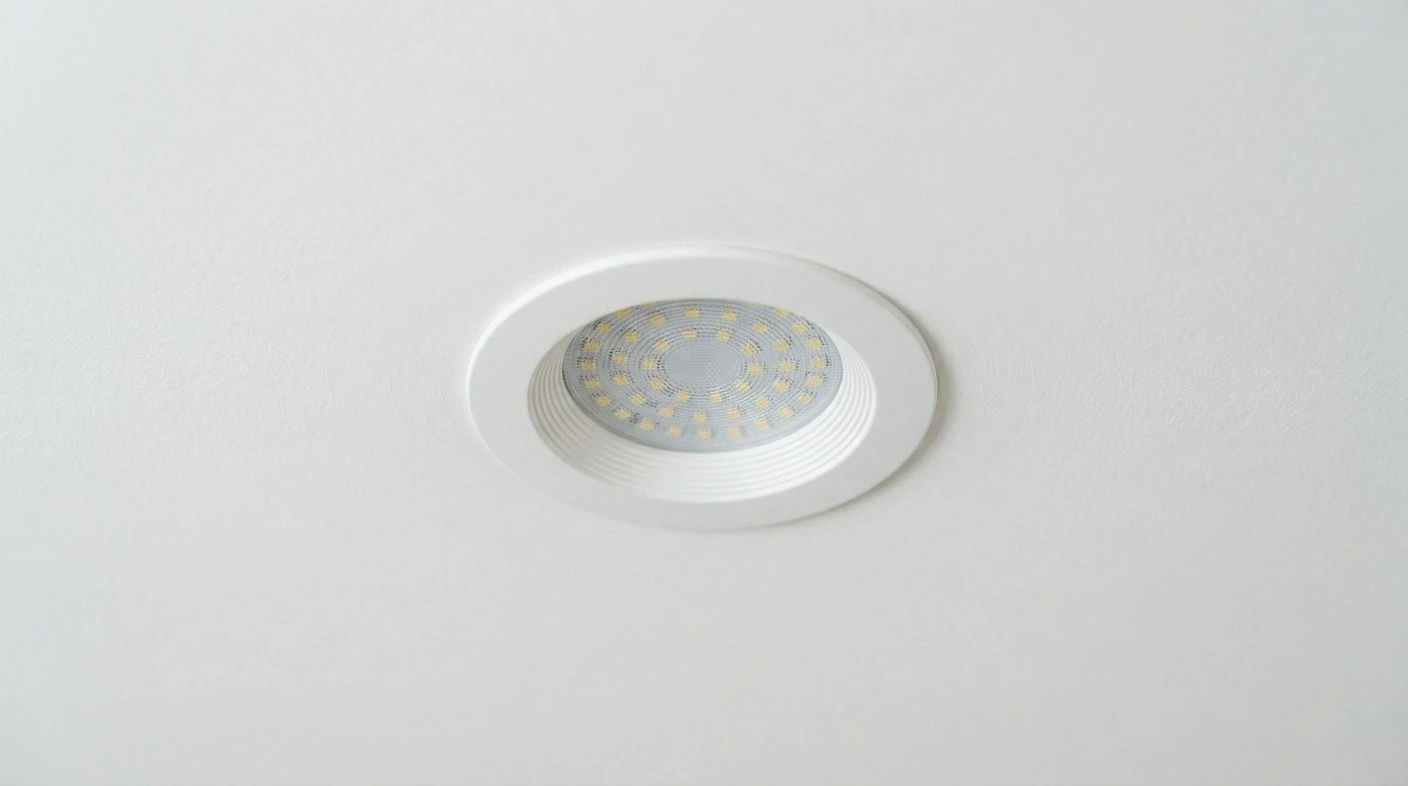
LED downlight installed in a ceiling, highlighting the need for electrician expertise in Perth.

Why You Might Need an Electrician

Even a simple-looking fix can call for a professional:

  1. Faulty drivers or transformers: LEDs depend on these to manage voltage. If they fail, a new bulb won’t help, and an electrician can diagnose and replace them safely.
  2. Upgrading to smart lighting: Switching to smart or app-controlled LEDs needs proper integration with your existing wiring.
  3. Commercial setups: Offices and retail spaces with multiple circuits and dimmers need professional work to stay compliant and avoid downtime.

Troubleshooting Before You Call

Before picking up the phone, run through this safe checklist:

  1. Turn off the power at the mains.
  2. Inspect the downlight for visible damage like burn marks or loose connections.
  3. Check the driver or transformer if it’s accessible.
  4. Try a plug-and-play replacement if the light plugs into a socket.
  5. Evaluate the result. If the problem remains, it’s time to call an electrician.

The Sustainability Edge of LED Lighting

Beyond efficiency, LEDs help create a greener home or workplace:

  • Energy savings: LEDs use up to 80% less energy than halogen lights.
  • Less waste: Longer lifespans mean fewer replacements.
  • Smart options: Pair LEDs with smart systems to fine-tune energy use.

Why Alby Electrical & Air?

Replacing an LED downlight is about doing it safely and making it last. We offer expert installation for simple swaps and complex upgrades alike, energy-efficient recommendations that lower your bills, and tailored advice if you’re redesigning your lighting.

Some downlights are a quick swap, others need professional expertise to keep everything safe and compliant. Whether it’s a single fixture or a full upgrade, contact Alby Electrical & Air today for professional, stress-free service.

Team from Alby Electrical & Air ready to assist with electrical services in Perth.
Technician inspecting electrical service vehicles, highlighting tips for maintaining your electrical system.

Avoid Power Outages: Tips for Maintaining Your Electrical System

By UncategorizedNo Comments
Technician inspecting electrical service vehicles, highlighting tips for maintaining your electrical system.

Avoid Power Outages: Tips for Maintaining Your Electrical System

Living in Perth means relying heavily on your electrical system throughout the year. Whether you’re working from home, keeping cool during scorching summers, or simply maintaining your daily routine, a power outage can throw everything into disarray. At Alby Electrical & Air, we’ve seen firsthand how proper maintenance can prevent these disruptions. Here’s your comprehensive guide to keeping your electrical system running smoothly.

Start with Professional Inspections

Your electrical system requires regular check-ups, much like your car or your health. We recommend scheduling professional inspections at least once every two years. 

During these visits, our licensed electricians thoroughly examine your entire electrical system, identifying potential issues before they escalate into major problems. 

These inspections become especially vital after severe weather events or if your property is more than a decade old.

What We Look For

– Loose connections and faulty wiring that could spark electrical fires.
– Signs of overheating or burning in switches and outlets.
– Outdated circuit breakers that might fail during crucial moments.
– Proper grounding systems for optimal safety. – Load balance across circuits to prevent system stress.
– Safety switch functionality and response times.

Monitor Your Circuit Breaker Panel

Your circuit breaker panel serves as the command centre for your home’s electrical system. Understanding its behaviour can help you spot problems early. Regular visual inspections of your panel can save you from unexpected power losses and potentially hazardous situations.

Warning Signs to Watch

– Frequent tripping, particularly when running multiple appliances.
– Warm or hot breakers that suggest overloading.
– Burning smells indicate potential wire damage.
.- Buzzing sounds from loose connections.
– Visible rust or corrosion affecting performance.

If you notice any of these signs, please contact us immediately. Our Perth-based team can quickly assess and resolve these issues before they lead to complete power failures. Early detection often prevents costly emergency repairs.

Maintain Your Outdoor Electrical Components

Perth’s climate can be particularly harsh on outdoor electrical equipment. The combination of intense sunlight, seasonal storms, and coastal air creates unique challenges. Protect these components by:

– Keeping vegetation away from power lines with regular trimming.
– Ensuring outdoor outlets have robust, weatherproof covers.
– Checking for damage after severe weather events.
– Maintaining weatherproof seals on all outdoor connections.
– Cleaning debris from air conditioning units regularly.

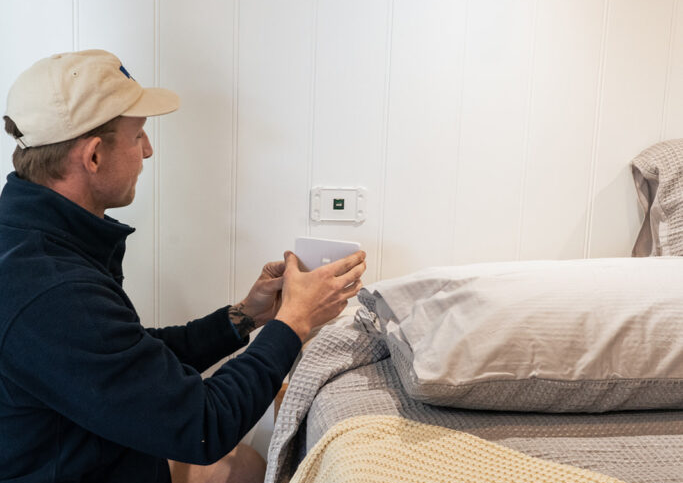
Electrician installing air conditioning system near bed in Perth home setting.

Update Your Electrical System

Older homes might have electrical systems that weren’t designed to handle modern power demands. The proliferation of electronic devices and smart home technology can overwhelm outdated systems. Consider upgrading if your home is more than 20 years old or if you’re experiencing these issues:

-Dimming lights when major appliances start up.
– Frequently blown fuses indicating circuit stress.
– Overheated outlets suggesting wiring problems
– Need for numerous power boards in living spaces.
– Limited outlet availability in key areas.

Our experienced team can assess your system and recommend appropriate upgrades to meet your current needs while considering future requirements and energy efficiency goals.

Practice Smart Power Usage

Prevention starts with how you use your electrical system. Making informed choices about power consumption can significantly extend your system’s lifespan:

Daily Best Practices

– Distribute large appliances strategically across circuits.
– Avoid overloading power boards with high-draw devices.
– Unplug unused electronics to reduce passive power drain.
– Keep heat-producing appliances in well-ventilated areas.
– Use high-quality surge protectors for sensitive equipment.

Emergency Preparedness

Despite the best maintenance efforts, power outages can still occur. Being prepared makes these situations more manageable:

1. Creating an emergency kit including:

– Torches and fresh batteries.
– Portable phone chargers with full capacity.
– Battery-powered radio for updates.
– Essential contact numbers readily available.

2. Maintaining backup power solutions:

– Investigating suitable generator options.
– Installing uninterruptible power supplies.
– Considering solar backup systems.

Professional Maintenance Services

At Alby Electrical & Air, we offer comprehensive maintenance packages designed to meet Perth’s unique conditions. Our services include:

– Annual system inspections with detailed reports.
– Thermal imaging of electrical panels.
– Load analysis and circuit balancing.
– Safety switch testing and certification.
– Surge protection installation.
– Emergency repair services are available 24/7.

Why Choose Us?

– Local Perth expertise spanning years.
– Round-the-clock emergency response.
– Licensed and fully insured technicians.
– State-of-the-art diagnostic equipment.
– Transparent, competitive pricing.
– Guaranteed workmanship on all services.

When to Call Us

Don’t wait for a complete power failure before seeking help. Contact our team if you experience:

– Flickering lights in any room.
– Unusual electrical sounds or buzzing.
– Burning smells near outlets or panels.
– Hot switches or outlet surfaces.
– Circuit breaker issues persisting.
– Outdated wiring concerns.

Long-term Benefits of Regular Maintenance

Investing in regular electrical maintenance provides lasting advantages:                                   
– Significantly reduced risk of power outages.
– Consistently lower energy bills.
– Maximum equipment lifespan.
– Enhanced home safety.
– Complete peace of mind.
– Protected property value.

Take Action Today

Your electrical system’s reliability directly impacts your daily life and safety. By implementing these maintenance tips and partnering with our experienced team at Alby Electrical & Air, you can significantly reduce the risk of power outages and electrical problems.

Ready to secure your electrical system’s reliability? Contact us today for a comprehensive inspection or to discuss your maintenance needs. Our Perth-wide service ensures you’re never far from expert electrical support.

Remember, prevention is always better—and more affordable—than emergency repairs. Let us help you maintain a safe, efficient electrical system that keeps your day going smoothly.

Alby Electrical & Air service van ready for electrical and air conditioning servicing in Perth.
Technician diagnosing power points causing circuit breaker issues in Perth.

Understanding Why Your Power points Trigger the Circuit Breaker

By UncategorizedNo Comments
Technician diagnosing power points causing circuit breaker issues in Perth.

Understanding Why Your Powerpoints Trigger the Circuit Breaker

Are you experiencing frequent tripping in your circuit breakers when using specific powerpoints?

We understand how frustrating it can be to have such disturbances in your routine.

Circuit breakers are designed to cut off power to protect your home from electrical hazards. Still, if you are experiencing frequent and consistent tripping, it indicates a deeper issue that needs attention.

Want to know the common causes behind this and practical fixes to ensure a safe and functional home electrical system? Read on!

To know more about Alby Electrical, click here!

What Causes Circuit Breakers to Trip?

A circuit breaker trips when it’s breaking the circuit to prevent overheating or electrical fires.

This happens when there is an overload, short circuit or irregularity in your electrical flow.

So, if your powerpoints are frequently tripping the breaker, it indicates an underlying problem with the powerpoint.

Let’s look at some common issues in depth-

1. Overloading the Circuit

One of the most common reasons for the tripping of a circuit breaker is an overloaded circuit. Let’s say you plugged too many devices into one powerpoint or one of the devices is drawing more current than usual, then the breaker trips to protect the electrical system.

You can fix it by unplugging devices from the problematic powerpoint. Try to redistribute these devices across other circuits, or avoid plugging in high-energy appliances like heaters or microwaves into the same powerpoint.

If you find your household’s general electrical demand has increased, consider consulting a professional electrician to upgrade your system or install additional circuits.

2. Faulty Appliances

If you have old or damaged appliances plugged in, it can cause the circuit to trip even if the powerpoint is not overloaded.

Appliances with frayed cords, faulty wiring, or electrical components that have deteriorated over time can draw irregular currents, leading to tripping issues.

You can fix this problem by testing each appliance by plugging it into different powerpoints, firstly. If the breaker continues to trip with a particular device, the appliance is likely to be causing the issue. You can replace or repair any malfunctioning appliances to ensure their safe functioning.

3. Short Circuit

When electrical current flows down an unintended path due to faulty wiring, damaged outlets, or defective power cords with little resistance, it causes a short circuit.

A short circuit often produces burning smells and may even cause extensive damage if not managed immediately.

If you suspect a short circuit, consider unplugging all devices immediately and avoid using the affected powerpoint until a licensed electrician inspects the wiring. This is a critical safety issue that requires professional expertise.

4. Damaged or Worn Wiring

The wiring in our homes often degrades due to wear and tear over time. Pest infestations or environmental factors also play a role in the damage of wiring, and damaged wiring increases the risk of power fluctuations and often causes frequent trips in your circuit breakers.

Damaged wiring should only be addressed by a licensed electrician, as DIY attempts pose a danger to you and your property. If your home is older, or you have noticed flickering lights or tripping breakers, it might be time for a wiring inspection or, potentially, rewiring the damaged ones.

5. Ground Faults

When an electrical current takes an unintended path to the ground, often through the metal casing of appliances or damp areas near powerpoints, it is called a ground fault.

Ground faults pose a significant risk, especially in areas like bathrooms, kitchens or outdoors where there is more moisture.

To fix this issue, you can ask your professional, licensed electrician to install Ground Fault Circuit Interrupter (GFCI) outlets in areas where ground faults are more likely to occur. These outlets cut off power quickly when they detect a ground fault, adding an extra layer of protection.

6. Aged Circuit Breaker

Like everything else, circuit breakers too age and become faulty after a certain amount of time.

If your breaker has become too sensitive or deteriorated over the years, it may start flipping unnecessarily. An old or faulty circuit breaker can become hazardous, so consider replacing it to ensure the safety and efficiency of your electrical system.

If you notice your breaker tripping without any apparent cause, schedule an inspection with professional and licensed electricians like Alby Electrical to determine the underlying cause and replace it if necessary.

Preventive Tips to Keep Your Circuits Safe

Are you wondering if there are any tips to keep your circuits safe? Let’s look at some-

  • Distribute High-Load Appliances: Avoid plugging multiple high-power devices into one powerpoint.
  • Regular Appliance Checks: Inspect cords and plugs for damage. Replace appliances that are outdated or show signs of wear.
  • Professional Electrical Inspections: Schedule regular inspections to catch potential problems early, especially in older homes.
  • Consider an Electrical Upgrade: If your electrical needs are growing, updating your electrical panel or adding new circuits can be a good investment in both safety and convenience.

When To Call a Professional?

A tripping circuit breaker is more than just an inconvenience, it is a warning sign that something might be wrong with your electrical system.

While basic troubleshooting can often solve minor issues, ongoing, persistent and severe problems require the skills of a licensed electrician.

At Alby Electrical, we’re here to help with comprehensive inspections, repairs and upgrades to ensure your home’s electrical system is in top condition.

Electrician installing air conditioning system near bed in Perth home setting.

Why Choose Us?

Expertise & Experience You Can Rely On

Our skilled team for powerpoint installations is among Perth’s most reliable, delivering exceptional quality with unmatched precision.

Quality Assurance You Can Trust

Our expert electricians prioritise your safety and requirements, ensuring dependable and seamless powerpoint installations every time.

Transparent & Affordable Pricing

Offering some of the most competitive rates in Perth, our electricians deliver outstanding value without ever compromising on quality.

Looking for Professional Electrical Services?

If you are tripping breakers and want a long-term solution, reach out to us at Alby Electrical.

Our professional, experienced and licensed team of experts are here to provide you with the advice and fixes you need to enjoy a safe, reliable power system in your home.

Contact us today and click here for more information about our services!

Team from Alby Electrical & Air ready to assist with electrical services in Perth.