What Is Reverse Cycle Air Conditioning and How Does It Work?
If you have spent a Perth summer chasing shade and a Perth winter reaching for an extra jumper, you already know our weather likes to keep you guessing. Reverse cycle air conditioning is the system that handles both ends of that swing from a single unit. Instead of running a separate heater in winter and a cooler in summer, one reverse cycle system keeps your home comfortable all year.
Here is a plain explanation of how it works, the system types available, and what to weigh up before you install one.
How reverse cycle air conditioning works
The clever part is something called a heat pump. Rather than burning fuel to make heat, a reverse cycle system simply moves heat from one place to another.
In cooling mode, it pulls warmth out of the air inside your home and pushes it outside, leaving the rooms cooler. In heating mode, a reversing valve flips the process so the system draws warmth from the outdoor air, even on a cold morning, and brings it indoors. The same refrigerant and the same components do both jobs, which is why one unit can cool you in January and warm you in July.
Because it shifts heat rather than generating it, this approach is one of the more energy-efficient ways to keep a home comfortable.
Split system or ducted: which suits your home
Reverse cycle systems come in two main forms, and the right choice depends on your home and how many rooms you want to control.
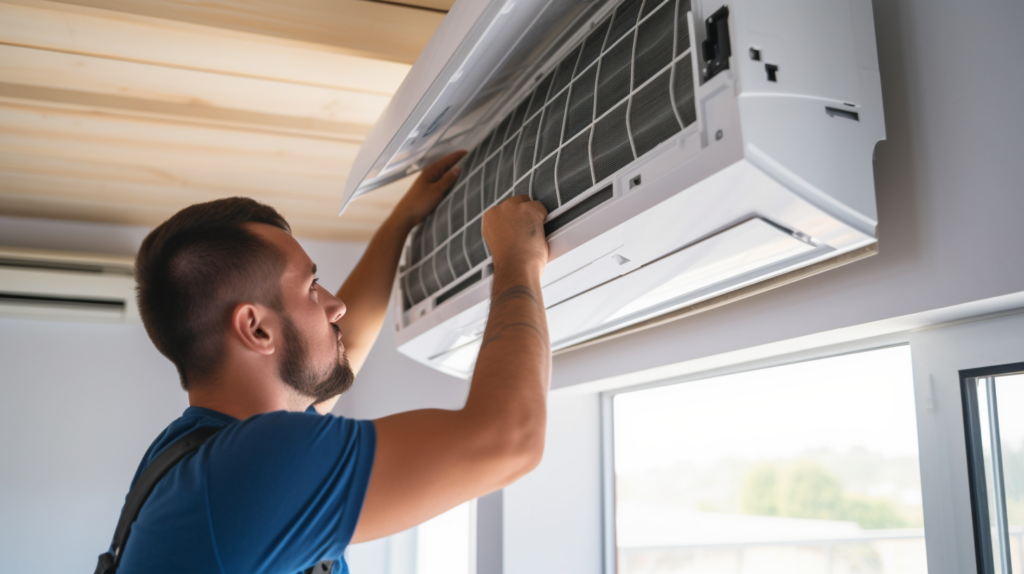
- Split system: one indoor unit paired with an outdoor unit, ideal for a single room or an open-plan living area.
- Multi-split: several indoor units running off one outdoor unit, so you can set different temperatures in different rooms.
- Ducted: a central unit pushes air through vents in the ceiling or floor, designed to heat and cool the whole house.
A split system is usually the simplest and most affordable place to start. Ducted suits larger homes or anyone wanting whole-house comfort with a tidy, discreet finish. If you are weighing up options for your place, our team can talk you through air conditioning installation in Perth and what fits your layout and budget.
Why reverse cycle air conditioning suits the Perth climate
Perth gives us long, hot summers and the odd genuinely chilly winter night. A reverse cycle system is built for exactly that mix. You set a temperature, and the unit works to reach it and hold it, whether that means cooling on a scorching afternoon or warming the lounge before sunrise.
Most systems also filter the air as they run, which helps with dust and stuffiness around the home. Many models add useful modes as well, such as a dry setting for humid days, a sleep mode that eases the temperature back overnight, and an auto mode that picks heating or cooling for you.
Energy efficiency and running costs
Energy use is where reverse cycle really earns its keep. Every unit sold in Australia carries an energy rating label, and the star rating gives you a quick read on efficiency. More stars mean lower running costs over the life of the system.
A higher-rated model may cost a little more upfront, but it tends to pay you back through smaller power bills. Sizing matters here, too. A unit that is too small will strain to keep up, while one that is too large wastes energy. Getting the sizing right for your room is one of the biggest factors in how cheaply a system runs day to day.
When to call a licensed electrician
Choosing a system is the easy part. Installing one safely is a job for a qualified professional. Reverse cycle air conditioning ties into your home’s wiring and switchboard, so it needs to be fitted by a licensed electrician who can make sure everything meets standard and runs safely.
Booking a proper install also protects your warranty and keeps the system performing the way it should for years to come.
If you are ready to enjoy comfortable temperatures all year, the team at Alby Electrical & Air can help you choose and install the right reverse cycle system for your home. Get in touch with us today for an honest quote and friendly advice from your local Perth electricians.