Emergency callouts 0415 397 334
Skip to main content
Monthly Archives

September 2024

Technician from Alby Electrical & Air upgrading a Perth home's switchboard for safety.

Upgrading Your Perth Home’s Switchboard: When and Why It’s Necessary

By UncategorizedNo Comments
Technician from Alby Electrical & Air upgrading a Perth home's switchboard for safety.

Upgrading Your Perth Home’s Switchboard: When and Why It’s Necessary

Your electrical switchboard serves as the heart of your home’s electrical system, ensuring safe and efficient power distribution throughout.

Like any vital system, it may require upgrading over time to maintain safety, efficiency, and compliance with modern standards.

It is natural to wonder why upgrading is necessary. In this blog, we are talking about why upgrading our switchboard becomes necessary and why it is important.

To know more about us, click here! Want to see why it is important to upgrade your switchboard? Read on!

Types of Air Conditioning Systems

One of the most commonly asked questions when it comes to a switchboard upgrade is a simple “why?”. So, here are some answers

Safety Concerns

One of the most commonly asked questions when it comes to a switchboard upgrade is a simple “why?”. So, here are some answers

  • Outdated Technology: Older switchboards may lack modern safety features such as Residual Current Devices (RCDs), which protect against electric shocks.
  • Overloaded Circuits: With changing lifestyles and progressing technology, it is natural to add more appliances to your space. But, your switchboard may struggle to handle the increased load, leading to overheating and potential fire hazards.

Compliance with Regulations

  • Building Code Requirements: Australian regulations have evolved, and older switchboards may need to meet current safety standards. Upgrading ensures compliance with these regulations, especially if you’re planning renovations or selling your home.

Improved Efficiency

  • Energy Management: Outdated switchboards often cause problems, and it is difficult to keep them up with our appliances. Modern switchboards are more efficient, helping you manage your energy usage better and potentially lowering your electrical bills.
  • Compatibility with Modern Appliances: Newer switchboards can better handle the power demands of today’s energy-hungry appliances, ensuring they run smoothly without tripping the circuit.

When Should You Upgrade Your Switchboard?

Upgrading your switchboard is a critical step in ensuring the safety and efficiency of your home’s electrical system.

But how do you know when it’s time to make this critical upgrade? Here are some clear indicators:

Frequent Tripping or Fuses Blowing

If your circuit breakers are tripping regularly or you find yourself frequently replacing blown fuses, it’s a strong signal that your switchboard may not be keeping up with your home’s electrical demands. 

This can occur for several reasons:

  • Increased Electrical Load: Modern households use more electricity than ever before, with a multitude of gadgets, appliances, and electronics.

    An older switchboard might not be equipped to handle this increased load, leading to overloads that trip the breakers.

  • Faulty Wiring: Over time, wiring can degrade, become damaged, or develop faults, which can cause your switchboard to trip as a protective measure.

  • Inadequate Capacity: Older switchboards were designed for simpler electrical needs. With today’s energy demands, they may need more circuits to distribute power effectively, causing frequent trips.

    Ignoring these issues not only disrupts your daily life but also poses a significant fire risk. Upgrading your switchboard ensures it can handle your household’s power needs safely and efficiently.

Home Renovations

Are you planning to expand your home, upgrade your kitchen, or install energy-intensive appliances like air conditioners or hot tubs? These renovations and additions can significantly increase your home’s electrical load.  Here’s why an upgrade might be necessary:
  • Increased Circuit Demand: New rooms, especially those with kitchens or bathrooms, require additional circuits to distribute power safely. Your current switchboard may not be able to add these circuits.
  • Enhanced Power Needs: Modern appliances often demand more power than older models. Without an upgraded switchboard, you may experience frequent tripping, power outages, or even damage to your new appliances.
  • Compliance with Electrical Standards: Building codes require that your electrical system be up to current standards, especially during major renovations. Upgrading your switchboard ensures that your home remains compliant and safe.Upgrading your switchboard during renovations is a proactive step that prepares your home for increased power needs and avoids potential electrical issues down the line.
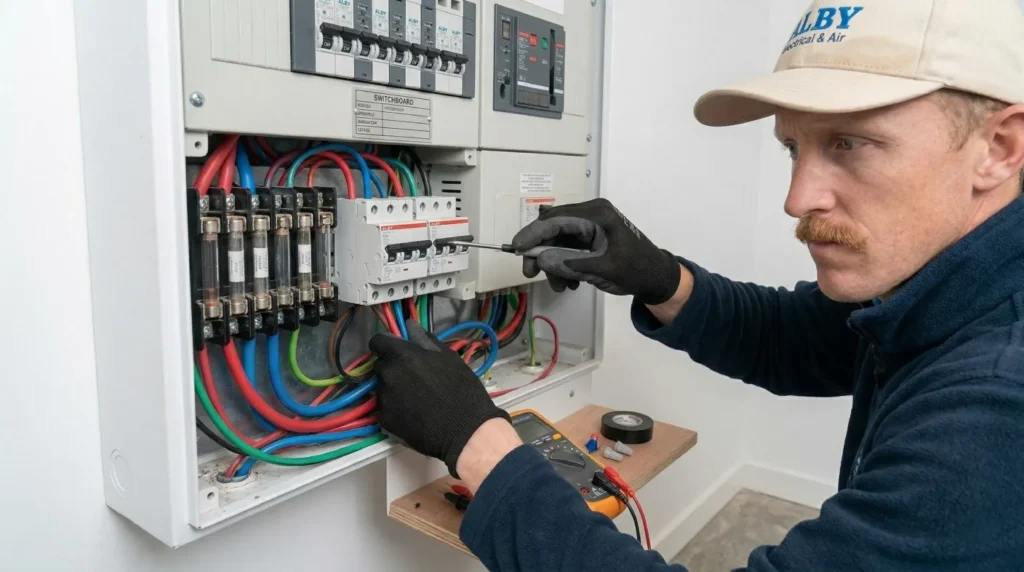
Electrician servicing a switchboard, ensuring safety and efficiency for Alby Electrical & Air in Perth.

Purchasing an Older Home

Buying an older home in Perth comes with its charm and character, but it might also come with outdated electrical systems. 

Here’s why upgrading the switchboard should be a priority:

  • Outdated Components: Older homes often have switchboards with components that no longer meet today’s safety standards. These include outdated fuses, a lack of RCDs (Residual Current Devices), and insufficient circuit capacity.
  • Increased Risk: The risk of electrical fires or shock hazards is higher in homes with old or outdated switchboards. Upgrading the switchboard ensures that your new home is equipped with modern safety features, providing peace of mind for you and your family.
  • Future-Proofing: An upgraded switchboard not only addresses current issues but also prepares your home for any future upgrades or renovations you might plan, ensuring your electrical system is robust and ready for anything.

Visible Signs of Wear

Your switchboard should be regularly inspected for any signs of wear or damage. If you notice any of the following, an upgrade may be urgently needed:

  • Scorch Marks or Discoloration: These are clear indicators of overheating, which can be caused by overloaded circuits or faulty wiring. Overheating is a major fire hazard and should be addressed immediately.
  • Burning Smell: A persistent burning smell near your switchboard is a severe warning sign that something is wrong, potentially due to melting insulation or components. This is an urgent issue that requires professional attention.

  • Buzzing or Crackling Sounds: Unusual sounds coming from your switchboard, such as buzzing or crackling, may indicate loose connections, faulty wiring, or arcing. These issues can lead to electrical fires and should be dealt with promptly.

    If you encounter any of these warning signs, it’s essential to contact a licensed electrician right away to assess the situation. In many cases, an upgrade will be the safest and most effective solution.

Ensure Your Home's Safety and Efficiency – Upgrade Your Switchboard Today!

Knowing when to upgrade your switchboard is key to maintaining a safe and efficient home. Whether you’re experiencing frequent electrical issues, planning renovations, buying an older home, or noticing signs of wear, upgrading your switchboard is a wise investment.

Don’t wait until a minor issue becomes a major problem. Ensure your home’s electrical system is safe, efficient, and up to modern standards. If you’re experiencing frequent electrical issues, planning renovations, or have concerns about your switchboard, now is the time to act.

Contact Alby Electrical today for a professional switchboard upgrade. Our experienced electricians will assess your home’s needs and provide a tailored solution to keep your home safe and powered efficiently. Call us now or visit our website to schedule a consultation.
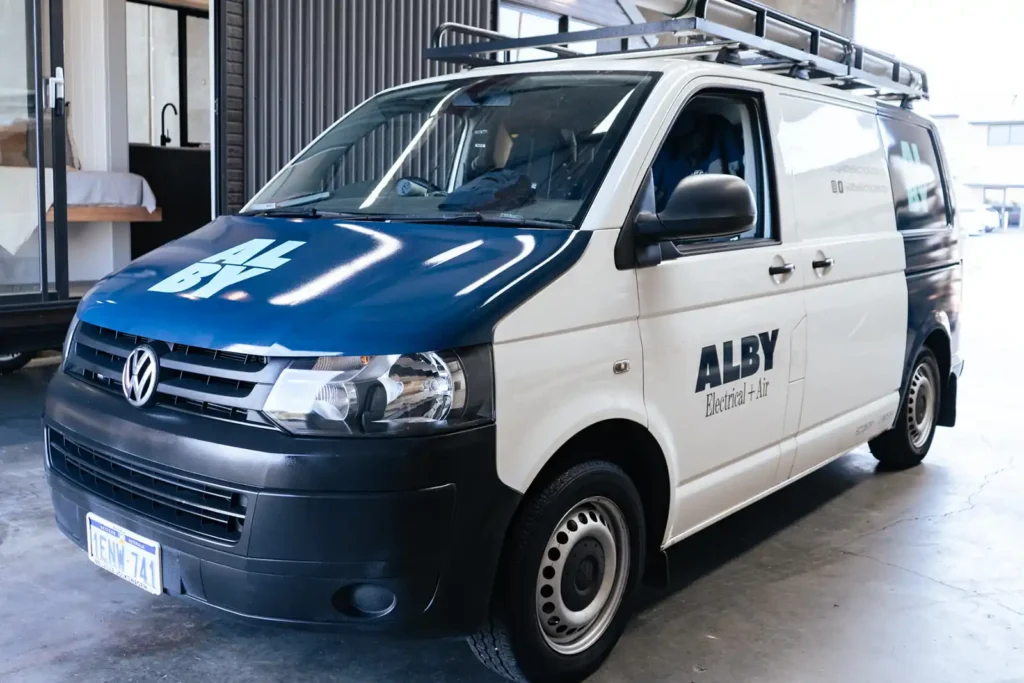
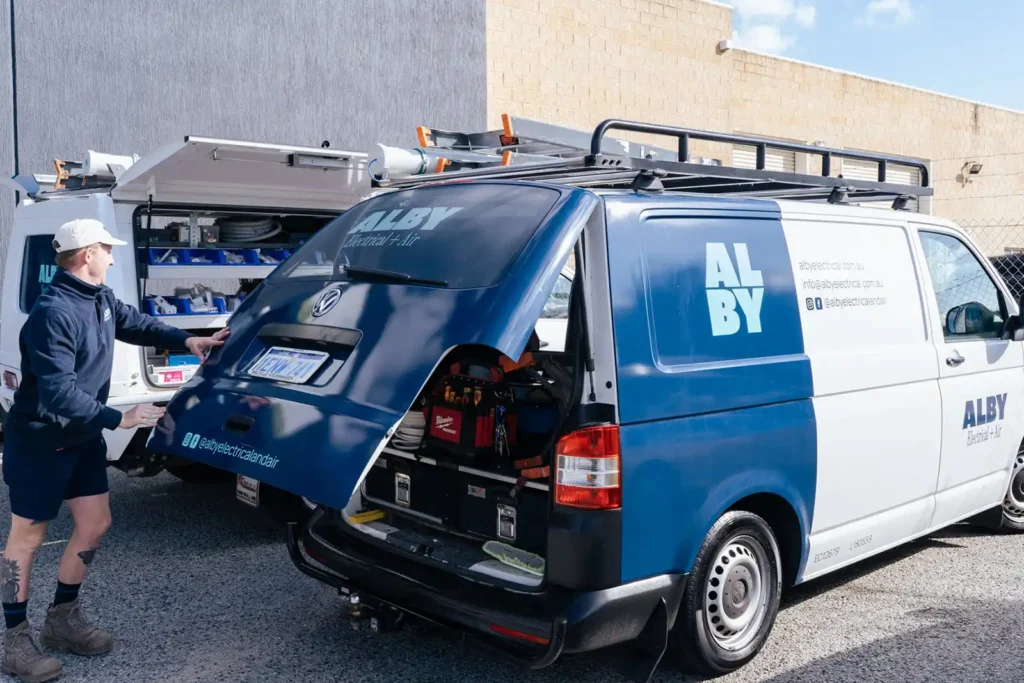
Alby Electrical & Air service van ready for electrical and air conditioning servicing in Perth.

Energy Efficiency in Perth: How to Reduce your Electricity Bill

By UncategorizedNo Comments
Alby Electrical & Air team members ready to provide air-conditioning installation services in Perth.

Energy Efficiency in Perth: How to Reduce your Electricity Bill

Perth’s scorching summers often bring eye-watering electricity bills. But what if you could slash those costs without sacrificing comfort?

This guide offers practical steps to reduce your energy consumption and keep your home cool. From uncovering hidden energy drains to maximising air-con efficiency, we’ve got you covered.

Ready to beat the heat and save money? Let’s dive in.

Hidden Energy Drains: What You Might Be Overlooking

While most people focus on obvious energy consumers like air conditioning, several lesser-known factors could be driving up your electricity bill:

1. Phantom Power and Inefficient Appliances

Also known as standby power, this silent energy drain can account for up to 10% of your home’s electricity use. Devices like tellies, computers, and mobile chargers continue to draw power even when they’re switched off. Additionally, older appliances often consume more energy than necessary.

Quick Fixes:

  • Use smart power boards that cut off power completely when devices are not in use.
  • When replacing appliances, choose models with high energy star ratings. The initial cost might be higher, but the long-term savings are substantial.
  • Only run your dishwasher and washing machine with full loads to maximise efficiency.
  • Use cold water for laundry. Up to 90% of the energy used by washing machines goes to heating water, but cold water is just as effective for most loads.

2. Inefficient Pool Pumps and Refrigeration

If you have a pool, your pump could be one of the biggest energy guzzlers in your home. Many pool owners run their pumps much longer than necessary. Similarly, your fridge, which runs 24/7, could be using more energy than it should.

Quick Fixes:

  • Upgrade to a variable speed pool pump and reduce operating hours. You can often cut pump runtime by 50% without affecting pool cleanliness.
  • For optimal efficiency, keep your fridge between 3 and 5°C and your freezer between -15 to -18 °C.
  • Clean your fridge’s condenser coils at least twice a year to reduce energy consumption.
  • Ensure your fridge and freezer doors are sealed properly to prevent cool air from escaping.
  • Keep your fridge full – it retains cold better than an empty one. If you don’t have enough food, use jugs of water.

3. Suboptimal HVAC Systems

Your heating, ventilation, and air conditioning (HVAC) system is likely the largest energy consumer in your home. Inefficiencies here can significantly impact your bill.

Quick Fixes:

  • If your current system is more than 10 years old, consider upgrading to a modern, energy-efficient air conditioner. Look for models with high energy star ratings.
  • Have your system professionally serviced at least once a year. A well-maintained system operates more efficiently.
  • Set your thermostat to 24-26°C in summer and 18-20°C in winter. Each degree closer to the outside temperature can save you up to 10% on your energy use.
  • Use ceiling or pedestal fans in conjunction with your air-con. They can make a room feel 3-4°C cooler while using much less energy.
  • To prevent false readings, ensure your thermostat is on an interior wall away from direct sunlight, air vents, and appliances.
  • Have a professional inspect and seal your ductwork. Leaks or poor connections could cause up to 30% of the air moving through your duct system to be lost.

4. Water Heating Efficiency

Water heating is often the second-largest energy expense in Perth homes. Here’s how you can reduce its impact on your bill:

Quick Fixes:

  • Set your water heater to 60°C. Any higher is unnecessary and wastes energy.
  • Insulate your water heater and pipes to reduce heat loss.
  • Consider solar hot water systems. Perth’s abundant sunshine makes these an excellent long-term investment despite the higher upfront cost.

5. Lighting Solutions

Efficient lighting can significantly reduce your energy consumption:

Quick Fixes:

  • Switch to LED bulbs. They use up to 75% less energy than incandescent bulbs and last much longer.
  • Take advantage of Perth’s abundant sunshine by opening curtains and blinds during the day.
  • Install sensors or timers to ensure lights are only on when needed, especially in less frequently used areas.

Other Home Improvements for Energy Efficiency

While these suggestions require an upfront investment, they can lead to significant long-term savings:

Quick Fixes:

  • Improve insulation in your walls, ceiling, and floor. This can reduce your heating and cooling needs by up to 40%.
  • Install double-glazed windows to significantly reduce heat gain in summer and heat loss in winter.
  • Use external shadings, such as awnings, pergolas, or strategically planted trees, to reduce the amount of heat entering your home in summer.
  • Consider solar panels. Perth’s sunny climate makes it ideal for solar energy, which can dramatically reduce or even eliminate your electricity bills in the long run.
Alby Electrical & Air van providing energy efficiency services in Perth to reduce electricity bills.

Smart Home Technology

Embracing smart home technology can give you greater control over your energy use:

Quick Fixes:

  • Smart thermostats learn your preferences and routines, automatically adjusting your heating and cooling for optimal efficiency.
  • Smart power boards can automatically cut power to devices that aren’t in use, eliminating standby power consumption.
  • Energy monitoring systems provide real-time information about your energy use, helping you identify areas for improvement.

The Impact of Behavioural Changes

Sometimes, the most effective changes are the simplest:

  • Turn off lights and appliances when not in use.
  • Use cold water instead of hot where possible.
  • Air-dry clothes instead of using a dryer.
  • Cook with lids on pots to reduce cooking time.
  • Close doors and windows when heating or cooling.

Professional Energy Audit

If you’re serious about reducing your energy bills, consider a professional energy audit. At Alby Electrical & Air, we offer comprehensive energy audits that can identify specific areas where you can improve efficiency in your home or business.

A Cooler Home and a Smaller Bill

Reducing your electricity bill doesn’t mean you have to sacrifice comfort. By implementing these energy-efficient strategies, you can enjoy a comfortable home while significantly lowering your energy costs. Remember, every small change adds up to make a big difference.

At Alby Electrical & Air, we’re committed to helping Perth residents achieve energy efficiency. Whether you need advice on upgrading your air conditioning system or want a professional energy audit, we’re here to help. 

Contact us today to start your journey towards a more energy-efficient home and lower electricity bills. Let’s work together to create a more energy-efficient home.

Electricians ensuring energy efficiency in Perth while reducing electricity bills.

Choosing the Best Air Conditioning System for Perth’s Hot Summers

By UncategorizedNo Comments
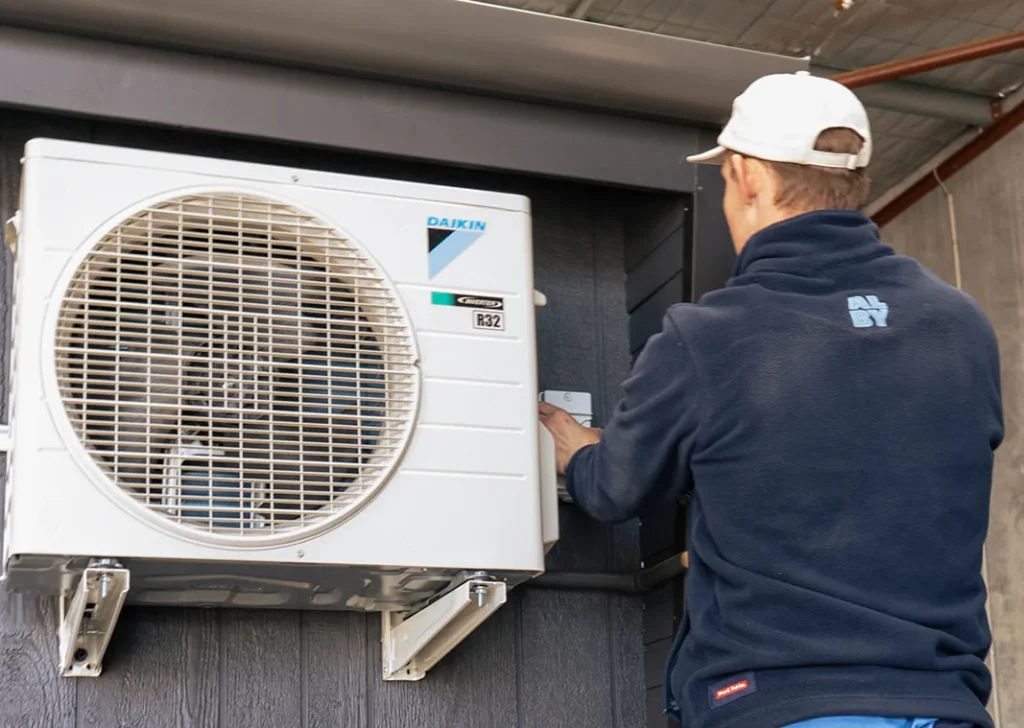
Professional technician installing air conditioning system for Perth’s hot summers.

Choosing the Best Air Conditioning System for Perth’s Hot Summers

Perth summers can be relentless, with temperatures soaring above 40°C. A reliable and efficient air conditioning system is necessary in this climate. 

Whether you’re looking to upgrade your current system or install a new one. Choosing the right air conditioner can make all the difference in your comfort and energy bills. 

This guide’ll explain everything you need to know to select the best air conditioning system for those sweltering Perth summers.

Types of Air Conditioning Systems

Let’s explore the main types of air conditioning systems suitable for Perth homes:

Split System Air Conditioners

Split systems are popular in Perth for good reason. They consist of an outdoor compressor unit and one or more indoor air outlets.

Pors:

  • Efficient cooling for single rooms or open-plan areas.
  • Relatively easy and less disruptive to install.
  • Can be reversed for heating in winter.
  • Quiet operation.

Cons:

  • Not ideal for cooling multiple rooms or large homes.
  • Each indoor unit requires its own outdoor unit.

Choosing the perfect location to install the ceiling fan is important in determining the type of fan you need to choose. Outdoor fans are designed differently from indoor fans. 

For example, fans designed for outdoor use are mainly for moist and damp weather locations, which is why they resist rust and moisture. In contrast, indoor fans can focus on maintaining airflow and the aesthetics of the space. 

Ducted Air Conditioning

Ducted systems distribute cool air throughout your entire home via a network of ducts.

Pros:

  • Whole-house cooling solution.
  • Discreet vents in ceilings or floors.
  • Quiet operation.
  • Zoning options for efficient temperature control.

Cons:

  • Higher upfront cost.
  • Requires sufficient roof space for installation.

Multi-Split Systems

These systems allow multiple indoor units to be connected to a single outdoor unit.

Pros:

  • Flexible cooling for multiple rooms.
  • Only one outdoor unit is required.
  • Individual temperature control for each room.

Cons: 

  • More complex installation.
  • Can be less efficient than ducted systems for whole-house cooling.

Evaporative Cooling

Evaporative coolers use water evaporation to cool the air, making them well-suited to Perth’s dry heat.

Pros:

  • Lower running costs compared to refrigerated systems.
  • Works well in dry climates like Perth.
  • Provides fresh air circulation.

Cons:

  • Less effective on humid days.
  • Requires a constant water supply.
  • May not cool as effectively as refrigerated systems on sweltering days.

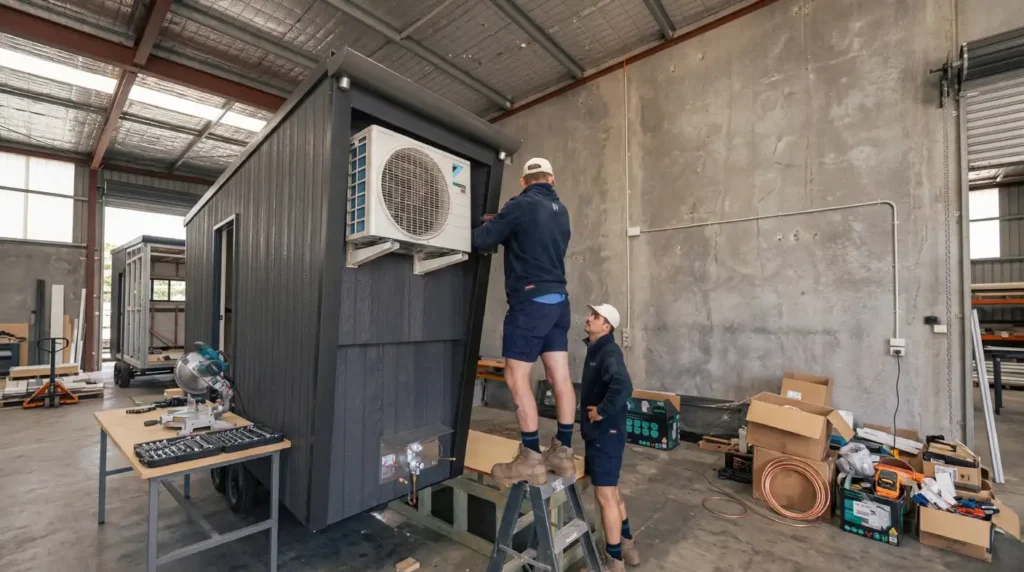
Technicians installing an air conditioning system for optimal performance in Perth’s hot summers.

Factors to Consider When Choosing Your System

Whisper DC Ceiling Fan by Claro – White 48

Now that you’re familiar with the main types of air conditioning systems let’s look at the key factors to consider when making your choice:

1. Home Size and Layout

The size and layout of your home play a crucial role in determining the most suitable air conditioning system. For smaller homes or apartments, a split system or multi-split system might be sufficient. Larger homes or those with complex layouts may benefit more from a ducted system.

2. Energy Efficiency

In Perth’s climate, your air conditioner will likely see heavy use during summer. Look for systems with high energy star ratings to keep your electricity bills in check. We recommend looking for at least a 4-star energy rating for split systems and a 6-star rating for ducted systems.

3. Cooling Capacity

Ensure the system you choose has adequate cooling capacity for your space. This is measured in kilowatts (kW). As a general rule:

  • Small room (up to 20m²): 2.5kW.
  • Medium room (20-40m²): 3.5kW.
  • Large room (40-60m²): 5-6kW.

For whole-house systems, professional calculation is necessary to ensure proper sizing.

4. Installation Requirements

Consider the installation requirements for each system type. Split systems are generally easier to install, while ducted systems require more extensive work and adequate roof space.

5. Noise Levels

If you’re sensitive to noise, pay attention to the decibel ratings of both indoor and outdoor units. Modern inverter technology has significantly reduced noise levels in many systems.

6. Additional Features

Look for features that can enhance comfort and efficiency:

  • Inverter technology for more stable temperatures and lower energy consumption.
  • Wi-Fi connectivity for remote control via smartphone apps.
  • Air purification filters for improved indoor air quality.
  • Automatic cleaning functions to maintain efficiency.

7. Budget

While the upfront cost is important, long-term running costs should also be considered. A more expensive but highly efficient system might save you money in the long run.

Our Recommendations for Perth Homes

Based on our extensive experience serving the Perth community, here are our top recommendations:

  1. For apartments and small homes: A high-efficiency split or multi-split system from brands like Daikin, Mitsubishi Electric, or Fujitsu.
  2. For medium to large homes: A zoned ducted system, which offers whole-house cooling with the flexibility to cool only occupied areas.
  3. For homes with limited roof space: Multi-split systems can provide a great alternative to ducted systems while still cooling multiple rooms.
  4. For budget-conscious homeowners: Consider an evaporative cooling system, especially if you live in areas of Perth with lower humidity.

The Importance of Professional Installation

Regardless of the system you choose, professional installation is crucial. At Alby Electrical & Air, our team of licensed and experienced technicians ensures that your system is installed correctly and compliant with all relevant regulations.

Proper installation maximises your system’s efficiency and lifespan and ensures your warranty remains valid. Plus, our experts can provide valuable advice on system operation and maintenance to keep your air conditioner running smoothly for years to come.

Stay Cool and Comfortable with the Right Air Con

Choosing the right air conditioning system for your Perth home doesn’t have to be overwhelming. By considering your specific needs, home layout, and budget and understanding the options available, you can make an informed decision that will keep you cool and comfortable through even the hottest Perth summers.

At Alby Electrical & Air, we’re committed to helping you find the perfect cooling solution for your home. Our team stays up-to-date with the latest air conditioning technologies and Perth-specific climate considerations to provide you with expert advice and top-notch installation services.

Don’t let another scorching summer catch you unprepared. Contact us today for a consultation, and let’s find the ideal air conditioning system for your home.

Alby Electrical & Air team members ready to provide air-conditioning installation services in Perth.